Exploring the Evolution of Anime Characters: A Journey Through Time
Anime, a form of art and storytelling from Japan, has taken the world by storm over the past few decades. At the heart of this cultural phenomenon are the anime characters who have evolved significantly since anime’s inception. These characters have become more than just drawings on a screen; they are complex personalities that reflect societal changes, technological advancements, and shifts in cultural paradigms. In this comprehensive exploration, we will delve into the evolution of anime characters, tracing their journey through time.
The Dawn of Anime: Early Beginnings
The history of anime can be traced back to the early 20th century. Initially, anime was heavily influenced by Western animation, with characters often resembling the style of Disney’s early works. The first known anime, Namakura Gatana, premiered in 1917, featuring simplistic characters with exaggerated facial features and limited expressions.
During this era, anime characters were primarily designed to entertain, with little emphasis on depth or development. They were often used to convey moral lessons or propaganda, especially during wartime. A notable example of early anime is Momotaro: Umi no Shinpei, a wartime propaganda film featuring anthropomorphized animals.
The Golden Age: Post-War and the Rise of Iconic Characters
The post-war period marked a significant shift in anime character design. As Japan rebuilt itself, the demand for entertainment surged, leading to the emergence of what is often referred to as the “Golden Age of Anime.” This era saw the rise of iconic characters such as Astro Boy, created by Osamu Tezuka. Astro Boy, with his human-like emotions and complex backstory, set the benchmark for future anime characters.
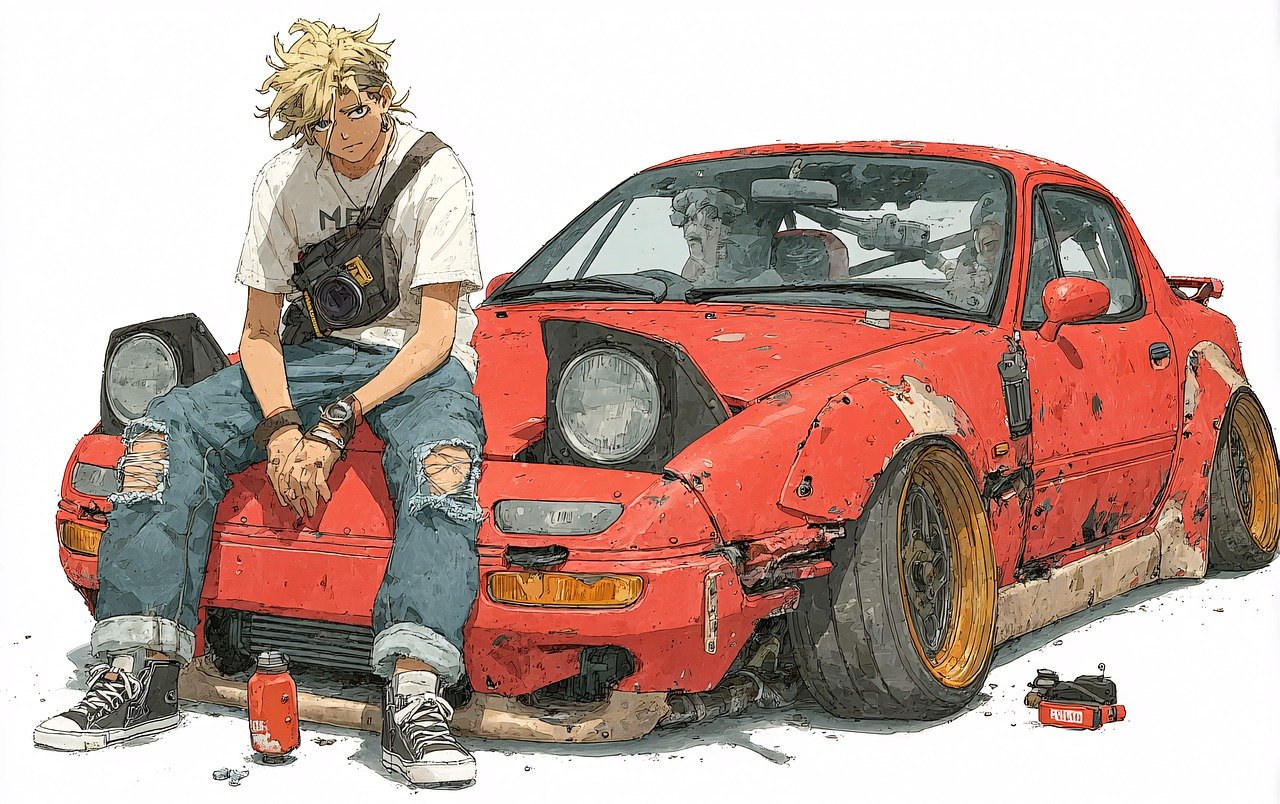
Tezuka’s influence on anime cannot be overstated. His characters introduced the concept of nuanced personalities and moral dilemmas, paving the way for a new generation of storytelling. The introduction of science fiction themes and futuristic settings further diversified the types of characters portrayed in anime.
The 1980s Boom: Diversity and Complexity
The 1980s was a transformative decade for anime, characterized by a boom in production and the introduction of diverse genres. This period saw the emergence of complex anime characters who defied traditional stereotypes. Characters like Nausicaä from Nausicaä of the Valley of the Wind and Major Motoko Kusanagi from Ghost in the Shell showcased strong, independent female protagonists, challenging the conventional gender roles prevalent in earlier anime.
This era also witnessed the rise of mecha anime, with series like Mobile Suit Gundam introducing pilots with intricate psychological profiles. These characters often dealt with themes of war, identity, and existentialism, reflecting the growing complexity of anime narratives.
The 1990s and 2000s: Globalization and Hybridization
As anime gained popularity worldwide, the 1990s and 2000s saw the globalization and hybridization of anime characters. During this time, anime began to incorporate elements from Western culture, resulting in characters that appealed to an international audience. The success of series like Dragon Ball Z and Pocket Monsters (Pokémon) demonstrated anime’s broad appeal.
Anime characters in this era became more diverse, with creators experimenting with different art styles and storytelling techniques. Series like Neon Genesis Evangelion and Serial Experiments Lain introduced characters with deep psychological complexities and philosophical undertones, challenging viewers to engage with the material on a deeper level.
The Digital Age: Technological Advancements and Character Innovation

The digital age brought about significant advancements in animation technology, allowing for more detailed and lifelike characters. The introduction of computer-generated imagery (CGI) and enhanced animation techniques enabled creators to push the boundaries of character design and storytelling.
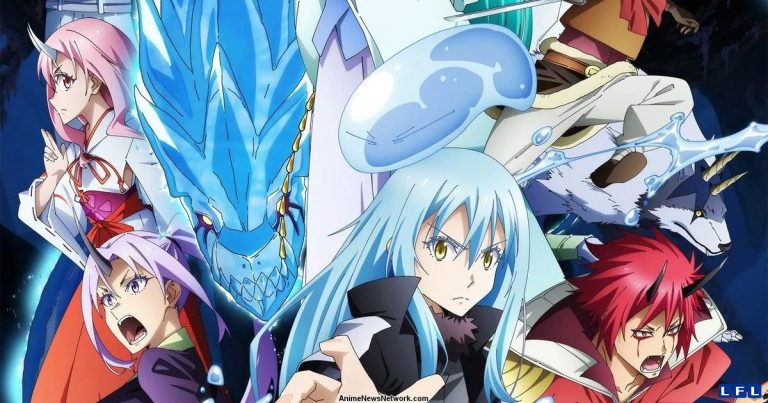
Modern anime characters often feature intricate designs and realistic movements, which enhance their emotional expressiveness. Series like Attack on Titan and Demon Slayer exemplify this trend, with characters who are not only visually stunning but also emotionally resonant. The ability to create characters with such depth has allowed anime to explore complex themes and narratives, further solidifying its place in global pop culture.
Contemporary Trends: Inclusivity and Representation
In recent years, there has been a growing emphasis on inclusivity and representation in anime. Modern audiences demand characters who reflect the diversity of the real world, leading to the creation of anime that tackle issues such as race, gender identity, and mental health. Characters like Yuri Katsuki from Yuri on Ice and Shouya Ishida from A Silent Voice address topics like LGBTQ+ representation and bullying, respectively.
This shift towards inclusivity has been positively received, with many praising anime for its ability to address social issues through compelling narratives and relatable characters. The portrayal of diverse characters has not only broadened anime’s appeal but also contributed to important conversations about representation in media.
The Future of Anime Characters
As anime continues to evolve, the future of anime characters looks promising. Emerging technologies, such as virtual reality and artificial intelligence, offer new possibilities for character interaction and storytelling. The potential for audience engagement through immersive experiences could revolutionize the way anime characters are developed and perceived.
Moreover, as the world becomes more interconnected, the exchange of cultural and creative ideas is likely to lead to even more innovative and diverse anime characters. The ongoing dialogue between creators and audiences will continue to shape the evolution of anime, ensuring that characters remain relevant and resonant.
Takeaways
The evolution of anime characters is a fascinating journey that reflects the changing landscape of society, technology, and culture. From simplistic drawings to complex personalities, anime characters have undergone significant transformations over the decades. As anime continues to captivate audiences worldwide, the characters who inhabit these stories will undoubtedly continue to evolve, inspiring and entertaining generations to come.
For those interested in exploring more about the history and influence of anime, resources like Anime News Network and Crunchyroll offer a wealth of information and insights into this dynamic and ever-evolving medium.
Character Archetypes: From Clichés to Creative Innovation
Anime has long been known for its use of character archetypes, which serve as familiar templates that audiences can easily recognize and connect with. Over time, these archetypes have evolved from clichés to more nuanced and innovative portrayals, reflecting the industry’s growing sophistication and creativity.
For instance, the “tsundere” archetype, characterized by a character who is initially cold but gradually reveals a warmer side, has been a staple in anime. While early depictions of tsundere characters often relied on predictable patterns, modern interpretations explore deeper motivations and backstories, making these characters more relatable and engaging. A well-known example is Taiga Aisaka from Toradora!, whose complexity goes beyond the initial tsundere stereotype.
Similarly, the “shounen hero” archetype, typically portrayed as a male protagonist who embarks on a journey of self-improvement and adventure, has seen significant evolution. Characters like Izuku Midoriya from My Hero Academia and Tanjiro Kamado from Demon Slayer embody this archetype while also challenging it by displaying vulnerability, compassion, and emotional growth alongside their physical prowess.

Impact of Cultural Shifts on Character Evolution
As societal norms and cultural values evolve, so too do the characters in anime. This evolution is often a reflection of the changing attitudes and aspirations of viewers. For example, the increasing demand for strong female leads has led to the creation of characters like Mikasa Ackerman from Attack on Titan and Motoko Kusanagi from Ghost in the Shell, both of whom demonstrate agency, intelligence, and strength.
The growing awareness and acceptance of diverse sexual orientations and gender identities have also influenced anime character development. Series such as Yuri on Ice and Given feature LGBTQ+ characters in central roles, portraying their stories with sensitivity and authenticity. This shift reflects a broader cultural movement towards inclusivity and representation in media.
Moreover, the exploration of mental health issues in anime has become increasingly prevalent, with characters like Rei Kiriyama from March Comes in Like a Lion and Shouya Ishida from A Silent Voice tackling themes of depression, anxiety, and redemption. These narratives not only provide representation for those struggling with similar challenges but also foster empathy and understanding among viewers.
Fan Influence and the Role of Community
The anime community plays a vital role in shaping character evolution, with fans actively engaging in discussions, fan art, and fan fiction. This interaction between creators and audiences has led to a dynamic feedback loop, where fan preferences and critiques influence character development and story arcs.
Platforms like Reddit’s anime community and anime conventions provide forums for fans to express their opinions and connect with creators. This engagement has encouraged anime studios to consider audience feedback when designing characters and crafting narratives. As a result, the relationship between fans and creators has become more collaborative, fostering a sense of community and shared passion for the medium.

The Role of Music and Sound in Character Expression
Music and sound play a crucial role in bringing anime characters to life, enhancing their emotional depth and resonance. A character’s theme music or voice acting can significantly impact how they are perceived by audiences. For example, the haunting soundtrack of Attack on Titan complements the intense and dramatic nature of its characters, while the lively tunes of One Piece reflect the adventurous spirit of its protagonists.
Voice actors, known as “seiyuu” in Japan, are integral to character portrayal, conveying emotions and nuances that contribute to a character’s depth. Talented seiyuu can elevate a character’s appeal, making them memorable and relatable to audiences. The collaborative efforts of writers, animators, composers, and voice actors are essential in creating characters that resonate with viewers on multiple levels.
Conclusion: The Endless Possibilities of Anime Characters
The evolution of anime characters is a testament to the medium’s adaptability and creativity. As anime continues to grow and expand its global influence, the possibilities for character development are endless. From exploring new themes and archetypes to embracing technological innovations and cultural shifts, anime characters will continue to captivate and inspire audiences for generations to come.
The journey of anime characters through time is a reflection of the medium’s rich history and vibrant future. As creators push the boundaries of storytelling and character design, they will undoubtedly craft characters that challenge, entertain, and resonate with audiences worldwide. For those eager to dive deeper into the world of anime, resources like MyAnimeList offer a comprehensive database and community for exploring the diverse and ever-evolving universe of anime.
About the Author