Inside Scoop: Discover How Popular Anime Series are Made
Anime has become a global phenomenon, enchanting audiences with its unique blend of storytelling, art, and cultural nuances. But have you ever wondered what goes into making these captivating series? From the initial concept to the final product, creating an anime is a complex process that involves numerous stages and a dedicated team of professionals. In this deep dive, we’ll explore how popular anime series are made, providing insights into the art and science behind these beloved shows.
The Genesis: Concept and Story Development
The journey of an anime series often begins with a concept or an idea. This could be an original story or an adaptation from manga, light novels, or even video games. The anime industry is known for its rich storytelling, often exploring themes like friendship, adventure, and existential dilemmas.
During the conceptual phase, creators work on developing the plot, characters, and world-building elements. This phase involves a lot of brainstorming and collaboration among writers, artists, and directors. For instance, the creators of “Attack on Titan” spent considerable time fleshing out the complex world and its intricate plotlines before moving on to production.
Scriptwriting and Storyboarding
Once the concept is solidified, the next step is scriptwriting. The script serves as the blueprint for the anime, detailing dialogues, scenes, and sequences. Scriptwriters work closely with directors to ensure that the story flows seamlessly and that each episode aligns with the overarching narrative.

Following script development, storyboarding begins. Storyboards are visual representations of the script, akin to a comic strip. They outline the sequence of events, camera angles, and character movements. This stage is crucial as it sets the visual tone and pacing of the anime. For example, the iconic battle scenes in “Naruto” were meticulously storyboarded to capture the intensity and fluidity of the fights.
Character Design and Animation
Character design is a pivotal aspect of anime production. Designers create detailed sketches and models of characters, considering factors like appearance, clothing, and personality traits. The goal is to ensure that characters are visually appealing and align with the story’s tone.
Once character designs are approved, the animation process begins. This stage involves several steps, including key animation, in-betweening, and coloring. Key animators create the primary frames that define major movements, while in-betweeners fill in the gaps to create smooth transitions. The process requires precision and creativity, as seen in the fluid animation style of “My Hero Academia.”
Background Art and Visual Effects
The world of anime is brought to life through stunning background art and visual effects. Background artists create detailed settings that complement the story, from bustling cityscapes to serene natural landscapes. These visuals are crucial in establishing the mood and atmosphere of the series.
Visual effects add another layer of depth to anime, enhancing scenes with elements like lighting, shadows, and special effects. The intricate effects in “Demon Slayer,” for example, contribute significantly to the show’s aesthetic appeal and dramatic impact.
Voice Acting and Sound Design

Voice acting is a vital component of anime production, bringing characters to life through vocal performances. Voice actors, or seiyuu, are carefully selected to match the characters’ personalities and dynamics. They work closely with directors to ensure that their performances align with the emotional tone of the series.
Sound design further enriches the viewing experience, incorporating music, sound effects, and ambient noises. Composers create original soundtracks that enhance the storytelling, with memorable scores like those in “Cowboy Bebop” becoming iconic in their own right.
Editing and Post-Production
The final stages of anime production involve editing and post-production. Editors compile the animated sequences, ensuring that scenes transition smoothly and that the pacing aligns with the narrative. This phase also involves the integration of voice recordings, sound effects, and music, creating a cohesive final product.
Post-production may include additional enhancements such as digital effects and color correction. The attention to detail in this stage ensures that the anime meets the creators’ vision and quality standards before release.
Marketing and Distribution
Once an anime series is complete, the focus shifts to marketing and distribution. Production companies collaborate with networks and streaming platforms to air the series, often leveraging social media and promotional events to generate buzz. Popular series like “One Piece” have extensive marketing campaigns that engage fans and attract new viewers.
The distribution landscape has evolved with the rise of streaming services, allowing anime to reach a global audience. Platforms like Crunchyroll and Netflix offer diverse anime catalogs, making it easier for fans worldwide to access their favorite series.
The Collaborative Effort Behind Anime
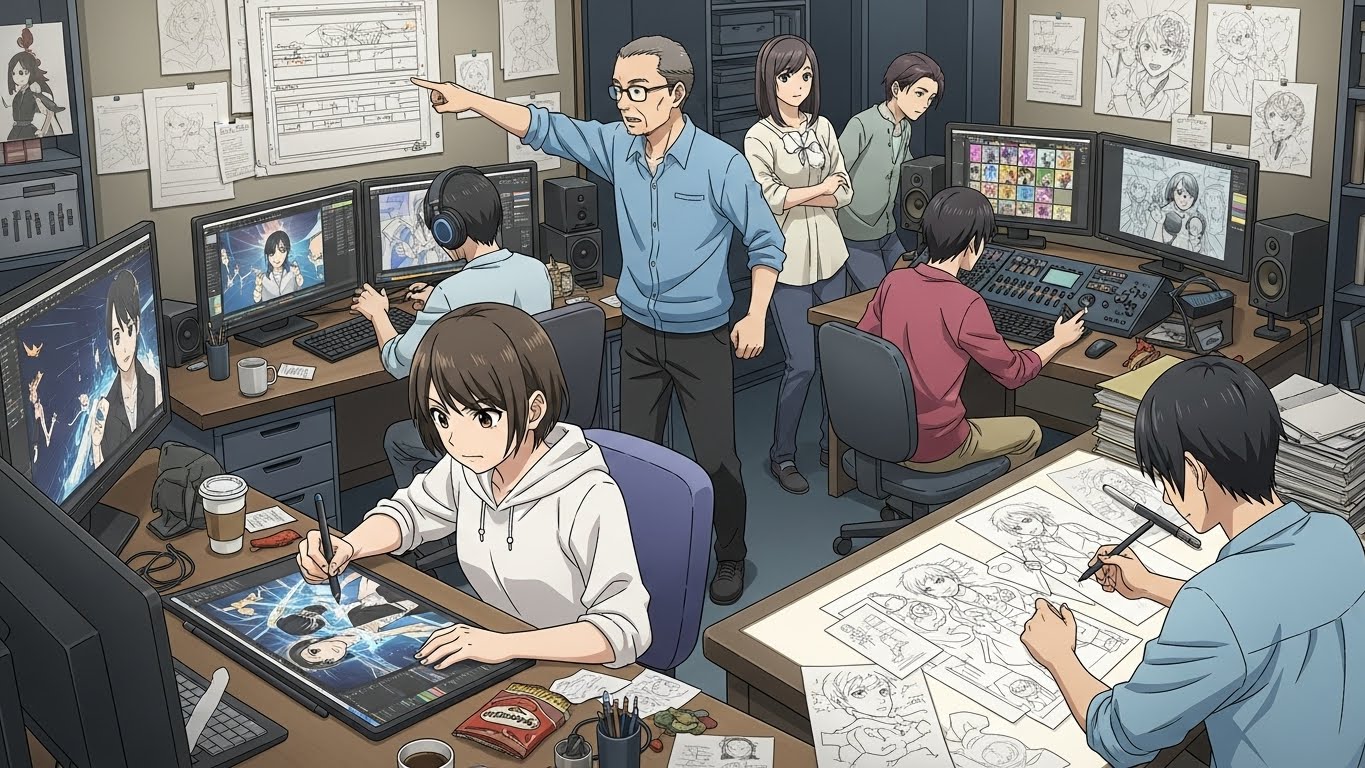
The creation of an anime series is a collaborative effort involving a diverse team of professionals. Directors, writers, animators, and sound designers work together to bring the story to life, each contributing their unique expertise. This synergy is evident in masterpieces like “Studio Ghibli” films, where meticulous attention to detail and artistic vision result in timeless works of art.
Conclusion: The Magic of Anime Production
The process of creating an anime series is nothing short of magical, blending art, technology, and storytelling into a harmonious whole. From initial concepts to final edits, each stage of production plays a crucial role in shaping the anime experience. As fans, understanding this intricate process deepens our appreciation for the hard work and creativity that go into making our favorite shows. Next time you watch an anime, remember the dedicated team behind the scenes, crafting each frame with passion and precision.
For those intrigued by the world of anime production, further exploration into industry insights and behind-the-scenes stories can offer a richer understanding of this fascinating art form. As anime continues to evolve and captivate audiences worldwide, its creation process remains a testament to the power of imagination and collaboration.
The Role of Technology in Anime Production
In recent years, technology has played an increasingly significant role in anime production, enhancing the efficiency and quality of the process. Digital tools and software have revolutionized how animators create and edit content, allowing for more complex and visually stunning scenes.

For instance, programs like Toon Boom and Adobe After Effects are widely used in the industry for animation and visual effects. These tools enable animators to experiment with different techniques, such as 3D modeling and CGI, which are evident in series like “Land of the Lustrous” that push the boundaries of traditional animation styles.
Challenges and Adaptations in the Industry
Despite technological advancements, the anime industry faces several challenges, including tight schedules, budget constraints, and high expectations from viewers. These pressures can impact the production cycle, often leading to demanding work conditions for animators and other team members.
To address these issues, some studios are adopting new production models and seeking international collaborations. Co-productions with overseas companies can provide additional resources and perspectives, as seen in projects like “Cannon Busters,” which was a collaboration between Japanese and American creators.
The Impact of Anime on Global Culture
Anime’s influence extends beyond entertainment, impacting various aspects of global culture. It’s not only a form of artistic expression but also a medium for cultural exchange. Through anime, international audiences gain insights into Japanese culture, traditions, and social issues.
Moreover, anime has inspired countless creators worldwide, influencing art styles and storytelling techniques in other media. The global success of anime conventions and fan communities further highlights its cultural significance, bringing together enthusiasts who share a passion for this unique art form.

Future Trends in Anime Production
As the anime industry continues to evolve, several trends are shaping its future. One of the most notable is the increasing use of artificial intelligence and machine learning in production. These technologies can assist in tasks like in-betweening and background generation, streamlining the process and allowing artists to focus on creative aspects.
Additionally, the demand for diverse and inclusive stories is growing, prompting creators to explore new genres and characters. This shift is evident in series like “Yuri on Ice,” which gained popularity for its inclusive representation and compelling narrative.
Another trend is the rise of short-form and web-based anime, catering to changing viewer preferences and consumption habits. Platforms like YouTube provide opportunities for creators to experiment with different formats and reach wider audiences.
Conclusion: Celebrating the Art of Anime
The world of anime production is a testament to human creativity and innovation. From traditional hand-drawn techniques to cutting-edge digital workflows, it encompasses a diverse array of skills and talents. As the industry faces new challenges and embraces future trends, its core mission remains the same: to tell compelling stories that resonate with audiences worldwide.
For fans and creators alike, anime is more than just a form of entertainment; it’s a cultural bridge that fosters understanding and appreciation across different backgrounds. By celebrating the art of anime and supporting the talented individuals behind it, we ensure that this captivating medium continues to thrive and inspire future generations.
About the Author