Breaking Down the Impact of Anime on Global Pop Culture
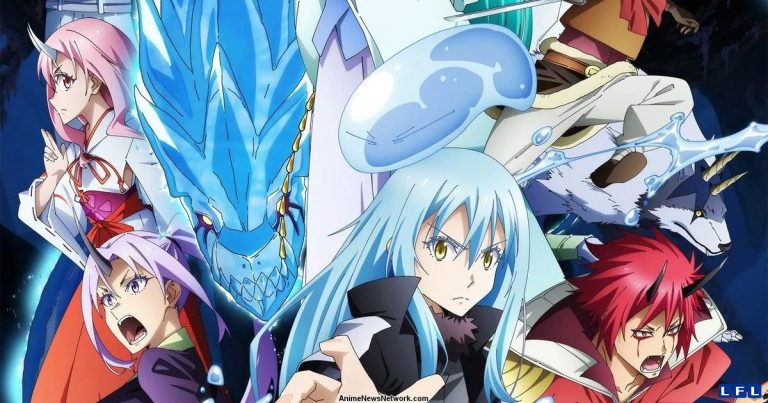
The world of entertainment has undergone a significant transformation over the past few decades, with anime emerging as a dominant force in global pop culture. Originating from Japan, anime has transcended cultural and linguistic barriers to become a worldwide phenomenon, influencing various aspects of popular culture. This blog post delves into the myriad ways anime has shaped global pop culture, from inspiring fashion and music to influencing film and television industries.
The Rise of Anime: A Brief History
Anime, as we know it today, began its journey in the early 20th century, with the first commercial animation produced in Japan. However, it wasn’t until the 1960s and 1970s that anime started to gain popularity internationally. Iconic series like “Astro Boy” and “Speed Racer” introduced Western audiences to the unique storytelling and artistic style of anime.
The 1980s and 1990s marked a golden era for anime, with the release of globally acclaimed films like “Akira” and “Ghost in the Shell.” These works demonstrated the medium’s potential for serious, complex narratives and showcased the artistic capabilities of anime creators. The advent of the internet in the 2000s further propelled anime into the global spotlight, enabling fans worldwide to access and share content easily.
Anime’s Influence on Fashion
One of the most visible impacts of anime on global pop culture is its influence on fashion. From streetwear to high fashion, anime has inspired countless designers and fashion enthusiasts. Brands like Supreme and Gucci have incorporated anime aesthetics into their collections, while collaborations with anime series have become increasingly common.

Anime conventions, such as Comic-Con and Anime Expo, are not just gatherings for fans but also fashion showcases where attendees don elaborate costumes, known as cosplay. Cosplay culture, deeply rooted in anime fandom, has become a worldwide phenomenon, influencing mainstream fashion trends and encouraging creative expression.
The Impact on Music
Anime’s impact on music is profound, with many artists drawing inspiration from anime soundtracks and themes. The catchy opening and ending themes of anime series have become iconic in their own right, often charting on music platforms and gaining international recognition.
Japanese pop and rock bands, such as L’Arc-en-Ciel and BABYMETAL, have gained international fame partly due to their contributions to anime soundtracks. Furthermore, anime music concerts and festivals attract fans from around the world, showcasing the global appeal of anime music.
Anime’s Role in Film and Television
The influence of anime on film and television is undeniable, with many Western filmmakers citing anime as a source of inspiration. Directors like Quentin Tarantino and Guillermo del Toro have openly acknowledged the impact of anime on their work, incorporating its stylistic and narrative elements into their films.
Moreover, Hollywood adaptations of popular anime series, such as “Ghost in the Shell” and “Alita: Battle Angel,” highlight the medium’s growing influence on global cinema. Despite mixed receptions, these adaptations indicate the significant role anime plays in shaping contemporary storytelling.
Anime’s Contribution to Diversity and Representation

Anime has also contributed to the ongoing conversation about diversity and representation in media. The medium often features diverse characters and explores themes of identity, belonging, and social issues, resonating with audiences worldwide.
Shows like “Attack on Titan” and “My Hero Academia” explore complex themes and character dynamics, offering viewers a fresh perspective on traditional narratives. Anime’s willingness to tackle controversial topics and portray diverse characters has made it a progressive force in the entertainment industry.
The Role of Technology in Anime’s Global Reach
The rise of streaming platforms like Netflix and Crunchyroll has been instrumental in anime’s global expansion. These platforms allow audiences worldwide to access a vast library of anime content, often with subtitles or dubbing in multiple languages. This accessibility has played a crucial role in anime’s growing popularity outside Japan.
Moreover, social media platforms like Twitter and Instagram have become vital tools for anime fans to connect, share content, and discuss their favorite series. This interconnectedness has fostered a global anime community, further cementing the medium’s place in pop culture.
Challenges and Criticisms
Despite its global success, anime faces several challenges and criticisms. Cultural differences can lead to misunderstandings or misinterpretations of anime content, while issues such as piracy and copyright infringement continue to impact the industry.
Furthermore, some critics argue that anime often perpetuates stereotypes and lacks diversity, particularly regarding gender and race representation. These criticisms highlight the ongoing need for the industry to evolve and address these concerns as it continues to grow globally.
The Future of Anime in Global Pop Culture
As anime continues to gain prominence worldwide, its influence on global pop culture is likely to expand further. The growing interest in anime-inspired video games, merchandise, and virtual reality experiences signals a bright future for the medium.
Moreover, collaborations between anime creators and international artists and producers will likely lead to new, innovative content that bridges cultural gaps and reaches an even wider audience. As technology continues to evolve, so too will the ways in which audiences engage with and consume anime content.
Takeaways
Anime’s impact on global pop culture is significant and multifaceted, influencing everything from fashion and music to film and television. Its ability to transcend cultural and linguistic barriers has made it a powerful force in the entertainment industry, resonating with audiences worldwide.
As anime continues to grow in popularity, its influence on global pop culture will undoubtedly expand, shaping the future of entertainment in exciting and unpredictable ways. For fans and newcomers alike, anime offers a unique and captivating experience that continues to capture the hearts and minds of audiences around the world.
For further reading about the impact of anime on culture, consider exploring resources such as Encyclopedia Britannica, Crunchyroll, and Netflix Anime.

The enduring appeal of anime lies in its ability to connect with viewers on a deeply personal level, offering stories and characters that resonate across different cultures and backgrounds. As the medium continues to evolve and adapt to new trends and technologies, its impact on global pop culture will likely become even more pronounced.
Furthermore, anime’s growing influence on education and academia cannot be ignored. Many universities around the world now offer courses on anime and manga, examining their cultural, historical, and artistic significance. These academic programs not only validate anime as a legitimate subject of study but also contribute to a deeper understanding of its impact on global culture.
The Role of Fans in Anime’s Global Success
It is essential to acknowledge the crucial role that fans play in anime’s global success. Fan communities are the lifeblood of the anime industry, driving engagement, discussions, and content creation. Platforms like Reddit and Tumblr have become vibrant hubs for anime enthusiasts to share fan art, fanfiction, and theories about their favorite series.
Fan conventions, such as Anime Expo and Otakon, provide spaces where fans can celebrate their love for anime, meet like-minded individuals, and participate in panels and workshops. These events have become cultural phenomena in their own right, drawing attendees from across the globe and showcasing the diversity of the anime fandom.
The passion and dedication of anime fans have also led to the creation of fan-subs and fan-dubs, which have played a pivotal role in making anime accessible to non-Japanese speakers. While these unofficial translations can sometimes lead to legal issues, they have undeniably contributed to anime’s global reach and popularity.
Economic Impact of Anime

Anime is not just a cultural force; it is also a significant economic driver. The global anime market is valued in billions, with revenue streams coming from merchandise sales, streaming rights, and international licensing deals. This economic impact extends beyond Japan, with countries like the United States and China emerging as major consumers of anime content.
The success of anime has also boosted related industries, such as manga publishing, video games, and collectibles. For instance, franchises like “Pokémon” and “Dragon Ball” have become global brands, with their influence extending far beyond the realm of anime and into various consumer markets.
The economic potential of anime has attracted the attention of investors and multinational corporations, leading to increased collaborations and partnerships that further cement anime’s place in global pop culture.
Conclusion: A Cultural Bridge
In conclusion, anime serves as a cultural bridge that connects people from diverse backgrounds and fosters a shared appreciation for storytelling and artistry. Its impact on global pop culture is multifaceted, influencing fashion, music, film, and even education. As anime continues to evolve and capture the imaginations of audiences worldwide, it remains a testament to the power of creativity and cultural exchange.
For those interested in exploring the cultural significance of anime further, resources such as Tor and Anime News Network offer insightful articles and analyses on the topic.
The future of anime in global pop culture is bright, with endless possibilities for new narratives, artistic innovations, and cross-cultural collaborations. As fans, creators, and scholars continue to explore and celebrate the medium, anime will undoubtedly remain a vibrant and influential force in the world of entertainment.
About the Author