Inside Scoop: Discover How Popular Anime Series are Made
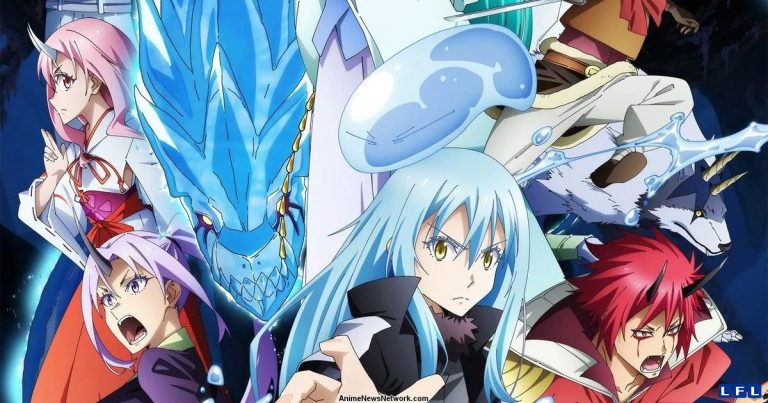
The world of anime is a captivating realm that combines art, storytelling, and unique cultural elements to create compelling narratives and stunning visuals. Have you ever wondered how these popular anime series are made? From the initial concept to the final episode, the creation of an anime is a complex and fascinating process. In this blog post, we will take you behind the scenes of anime production, exploring each stage in detail and uncovering the magic that brings your favorite anime series to life.
The Genesis of an Anime: From Concept to Script
Every anime begins with a concept or an idea, which can originate from various sources. Some anime are adaptations of manga, light novels, or video games, while others are original creations. The conceptual phase is crucial as it lays the foundation for the entire series. During this phase, creators brainstorm ideas, characters, and plotlines, often working collaboratively to refine the concept.
Once the concept is finalized, the next step is scriptwriting. The script serves as a blueprint for the anime, detailing the dialogue, actions, and sequences in each episode. Writers work closely with directors and producers to ensure that the script aligns with the overall vision for the series. This stage is essential for establishing the tone and pacing of the anime.
Creating the Visual Style: Character and Background Design
Anime is renowned for its distinctive art style, and character design plays a significant role in defining this aesthetic. Character designers create detailed sketches and models of each character, taking into account personality traits, backstory, and visual appeal. This process often involves multiple revisions to ensure that characters are both unique and relatable.

In addition to character design, background design is equally important in setting the mood and atmosphere of the anime. Background artists meticulously craft landscapes, cityscapes, and interiors that complement the story and enhance the visual experience. These designs are often inspired by real-world locations, as well as imaginative landscapes that transport viewers to new worlds.
The Animation Process: Bringing Characters to Life
Animation is the heart of any anime series, and it involves several intricate steps. Once the characters and backgrounds are designed, animators begin creating key frames, which are the main poses that define a character’s movement. In-between frames are then added to create fluid motion, a process that requires precision and attention to detail.
Modern anime often utilizes a combination of traditional hand-drawn animation and digital techniques. While hand-drawn animation provides a classic and authentic feel, digital tools allow for greater flexibility and efficiency. The integration of CGI (computer-generated imagery) is becoming increasingly common, enabling the creation of complex scenes and special effects that enhance the visual storytelling.
Sound and Music: Enhancing the Emotional Impact
Sound design and music are crucial components of anime, adding depth and emotion to the narrative. Sound designers work to create a diverse range of audio elements, from ambient sounds and effects to dialogue recording. Voice actors, known as seiyuu in Japan, play a vital role in bringing characters to life through their performances. The casting of voice actors is often a meticulous process, as their voices must align with the character’s personality and emotional arc.
Music composers develop soundtracks that underscore the emotional beats of the story. Anime music ranges from orchestral scores to pop songs, often featuring memorable themes that resonate with audiences. The opening and ending themes of an anime are particularly significant, as they set the tone for the series and become iconic elements of the anime’s identity.
The Role of Directors and Producers in Anime Production
Directors and producers are the driving force behind an anime, guiding the creative and logistical aspects of production. The director is responsible for overseeing the artistic vision, ensuring that the story is effectively translated from script to screen. They work closely with all departments, from animation to sound, to maintain a cohesive and engaging narrative.
Producers, on the other hand, manage the business side of production. They handle budgeting, scheduling, and coordination with studios and distributors. Producers are also involved in marketing and promoting the anime, working to ensure its success both domestically and internationally. Their role is crucial in navigating the challenges of production and keeping the project on track.
Post-Production and Distribution: Reaching Global Audiences
Once the animation and sound are completed, the anime enters the post-production phase. This stage involves editing, color correction, and finalizing visual effects to create a polished final product. Post-production teams work to ensure that each episode meets the highest quality standards before it is released to the public.
Distribution is the final step in the anime production process, and it plays a vital role in reaching audiences worldwide. Anime is distributed through various channels, including television, streaming services, and Blu-ray/DVD releases. The rise of streaming platforms has significantly expanded the global reach of anime, allowing fans from different countries to access their favorite series simultaneously.

Challenges and Innovations in the Anime Industry
The anime industry faces numerous challenges, from tight production schedules to increasing competition. However, it continues to thrive through innovation and adaptation. Advances in technology, such as AI-assisted animation and VR, are opening new possibilities for storytelling and audience engagement. The industry is also exploring new business models, including crowdfunding and merchandising, to sustain production and foster creativity.
Moreover, the growing international fanbase has led to greater cultural exchange and collaboration. Anime conventions and events serve as platforms for creators and fans to connect, share ideas, and celebrate the art form. This global community plays a crucial role in shaping the future of anime and ensuring its continued success.
Conclusion: The Magic Behind Your Favorite Anime
The creation of a popular anime series is a remarkable journey that involves the collaboration of talented artists, writers, and producers. From the initial concept to the final release, each stage of production is meticulously crafted to deliver compelling stories and breathtaking visuals. Understanding the intricacies of anime production not only deepens our appreciation for the art form but also highlights the dedication and passion of those who bring these beloved series to life.
As fans, we can continue to support the anime industry by engaging with creators, exploring new series, and staying informed about the latest trends and innovations. The magic of anime lies in its ability to transport us to new worlds and inspire us with its creativity, and its enduring appeal ensures that there will always be new stories to discover and enjoy.
The Influence of Anime on Global Pop Culture
Anime has transcended cultural boundaries, becoming a significant influence on global pop culture. Its unique storytelling techniques and distinctive art styles have inspired creators across various mediums, including film, television, and literature. The impact of anime is particularly evident in the rise of Western animation that draws inspiration from Japanese aesthetics and narratives.
One of the most notable examples of anime’s influence is the growing popularity of anime conventions around the world. These events celebrate anime culture, bringing together fans, creators, and industry professionals. Conventions offer a platform for fans to cosplay as their favorite characters, participate in panels and workshops, and engage with exclusive content. They foster a sense of community and shared passion, further solidifying anime’s place in global entertainment.
The Future of Anime: Trends and Predictions
As the anime industry continues to evolve, several trends are shaping its future. One significant trend is the increasing demand for diverse and inclusive storytelling. Audiences are seeking narratives that reflect a broader range of experiences and perspectives, prompting creators to explore new themes and genres. This shift is leading to the development of anime that resonates with a wider audience, fostering greater representation within the medium.
Technological advancements are also playing a pivotal role in the future of anime. Innovations in virtual reality and augmented reality are paving the way for immersive viewing experiences, allowing fans to interact with their favorite series in unprecedented ways. Additionally, the integration of artificial intelligence in animation processes is streamlining production, enabling studios to create high-quality content more efficiently.

The global distribution of anime is another area poised for growth. As more streaming services invest in anime content, the accessibility and reach of anime are expanding. This trend is likely to continue, with platforms competing to offer exclusive series and simulcasts to attract international audiences. The result is a more interconnected global fandom, united by a shared love for anime.
Supporting the Anime Industry: Ways to Get Involved
For fans eager to support the anime industry, there are several meaningful ways to get involved. Purchasing official merchandise and home video releases directly contributes to the success of anime studios and creators. Additionally, subscribing to legal streaming services ensures that creators receive compensation for their work, promoting the sustainability of the industry.
Engaging with the anime community through social media, forums, and fan clubs is another way to show support. By participating in discussions and sharing recommendations, fans can help raise awareness of lesser-known series and foster a positive and inclusive community. Attending anime conventions and events also provides opportunities to connect with creators and other fans, supporting the industry through ticket purchases and participation.
Conclusion: Celebrating the Art of Anime
Anime is a vibrant and dynamic art form that continues to captivate audiences worldwide. Its intricate production process, from concept to completion, is a testament to the creativity and dedication of those who bring these stories to life. As anime continues to influence and inspire, its future looks brighter than ever, with new possibilities on the horizon.
By understanding and appreciating the nuances of anime production, fans can deepen their connection to the medium and contribute to its enduring success. Whether through supporting creators, exploring new genres, or engaging with the global community, there are countless ways to celebrate the art of anime and ensure its legacy for generations to come.
About the Author