Exploring the Evolution of Anime Characters: A Journey Through Time
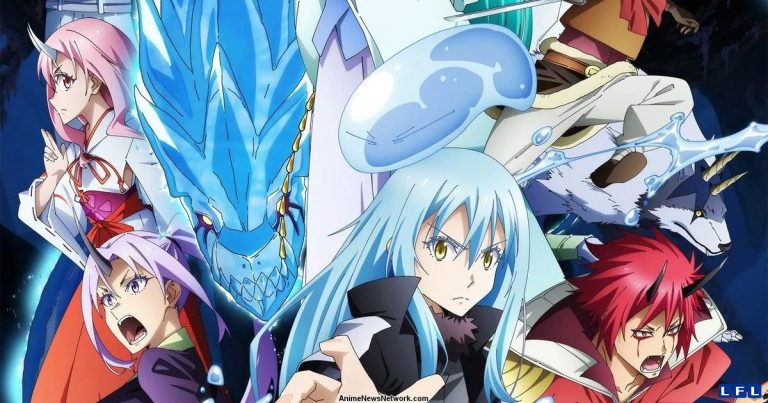
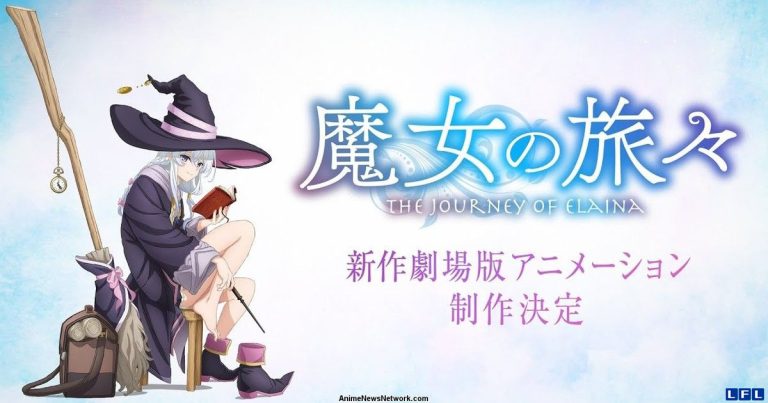
Anime, a distinctive style of animation that originated in Japan, has transcended its cultural boundaries to become a global phenomenon. Central to its worldwide appeal are its characters, who captivate audiences with their diverse personalities, intricate backstories, and striking visual designs. This post explores the evolution of anime characters, tracing their development from the early days to the present, and examining the factors that have influenced their transformation over time.
The Birth of Anime Characters: Early Influences
The roots of anime characters can be traced back to early Japanese art forms such as ukiyo-e and traditional kabuki theater, which emphasized vivid storytelling and exaggerated expressions. These elements laid the groundwork for the first anime characters, who appeared in Japan’s early animated works of the 20th century.
During this period, many anime characters were heavily influenced by Western animation, particularly the works of Walt Disney. Characters were often designed with round faces, large eyes, and simplistic features, a style that would become synonymous with anime. An example of this influence is Astro Boy, created by Osamu Tezuka, which showcased a blend of Western and Japanese animation techniques.
The Golden Age of Anime: Character Complexity and Diversity
The 1980s and 1990s marked a significant turning point in the evolution of anime characters. Advances in animation technology allowed for more detailed character designs and fluid movements, leading to a boom in anime production. During this era, anime characters began to gain complexity and depth, with more nuanced personalities and backstories.
One notable example is the cast of Neon Genesis Evangelion, which introduced characters with psychological depth and emotional struggles, reflecting the complexities of real human experiences. This shift towards more sophisticated character development became a hallmark of anime during this time.
The Influence of Genre and Subcultures
As anime grew in popularity, it began to diversify into various genres, each bringing unique character archetypes and styles. The mecha genre, for instance, featured characters like the pilots of Mobile Suit Gundam, who were often portrayed as heroic and courageous.
Simultaneously, the rise of subcultures such as otaku and the increasing influence of manga led to the proliferation of “moe” characters—adorable, youthful figures designed to evoke feelings of affection and protectiveness. This trend highlighted the growing emphasis on character appeal and marketability in anime.
Technological Advancements and the Digital Age
The digital age brought about revolutionary changes in character design and animation techniques. With the advent of computer-generated imagery (CGI), anime creators were able to experiment with new styles and visual effects, resulting in characters with even more elaborate and dynamic designs.
For instance, the characters in Attack on Titan exemplify the use of digital technology to create highly detailed and expressive animations that enhance the storytelling experience. This technological leap has allowed anime to reach new heights in terms of visual storytelling.
Global Influence and Cultural Exchange
As anime gained a global audience, it began to absorb influences from different cultures, leading to a cross-pollination of ideas and styles. This cultural exchange is evident in shows like Cowboy Bebop, which combines elements of Western film noir with traditional Japanese storytelling.
The global appeal of anime characters has also led to the creation of international collaborations, where creators from different countries work together to produce anime that resonates with a diverse audience. This collaboration has enriched the character designs and narratives, making them more inclusive and varied.
The Future of Anime Characters: Trends and Prospects
Looking to the future, anime characters are likely to continue evolving in response to changing audience preferences and technological advancements. One emerging trend is the incorporation of virtual reality (VR) and augmented reality (AR) technologies, which offer new possibilities for character interaction and engagement.
Additionally, the increasing focus on representation and diversity in media is likely to influence the portrayal of anime characters. As audiences demand more inclusive stories, creators are expected to design characters that reflect a broader range of experiences and backgrounds.
Conclusion: A Timeless Journey
The evolution of anime characters is a testament to the genre’s adaptability and enduring appeal. From their humble beginnings to their current global prominence, anime characters have undergone significant transformations, adapting to the cultural, technological, and artistic shifts of their time.
As we continue to explore the rich world of anime, it is clear that its characters will remain at the heart of its storytelling, captivating audiences with their unique blend of artistry, emotion, and innovation.
The Impact of Cultural Shifts on Character Design
In recent years, cultural shifts have played a significant role in the way anime characters are designed and portrayed. Social movements advocating for gender equality and diversity have prompted creators to break away from traditional stereotypes and explore more progressive narratives. This shift is evident in series like Your Name, where characters are depicted with more balanced gender roles and complex emotional landscapes.
Furthermore, the globalization of anime has led to a greater awareness of cultural sensitivity, encouraging creators to portray characters and stories that resonate with an international audience while staying true to their Japanese roots. This blend of universal themes and local flavor has broadened the appeal of anime characters to a wider demographic, fostering cross-cultural connections.

Character Archetypes: Tradition vs. Innovation
Anime has long relied on certain archetypes, such as the hero, the trickster, and the mentor, to build its characters. These archetypes provide a familiar framework that audiences can easily identify with. However, modern creators are increasingly subverting these traditional roles to keep the narrative fresh and engaging.
For instance, in One Punch Man, the titular character Saitama challenges the conventional superhero archetype with his overwhelming strength and nonchalant attitude. This innovative approach adds depth to the character, offering a satirical take on the genre while still delivering compelling storytelling.
Technological Integration: Beyond Two Dimensions
As technology continues to evolve, the boundaries of what is possible in anime character design are constantly being pushed. Innovations in artificial intelligence (AI) and machine learning are opening new avenues for character development, allowing for more personalized and interactive viewing experiences.
Virtual idols, such as Hatsune Miku, demonstrate the potential of AI in creating characters that transcend traditional media. These digital personas can perform live concerts and interact with fans in real-time, blurring the line between fiction and reality. This integration of technology not only enhances the entertainment value but also offers a glimpse into the future of character engagement.
The Role of Fan Culture in Character Evolution
Fan culture has become an integral part of the anime industry, with fan art, fan fiction, and online communities playing a crucial role in shaping the evolution of anime characters. Fans often provide valuable feedback and insights that creators can use to refine their characters, ensuring they remain relevant and appealing.
Moreover, the practice of “shipping” characters—where fans create narratives about romantic relationships between characters—demonstrates the active role audiences play in the character development process. This participatory culture encourages creators to consider fan perspectives, leading to more dynamic and multifaceted characters.
Conclusion: The Ever-Expanding Universe of Anime Characters
The journey of anime characters from their inception to their present-day iterations is a fascinating tale of creativity, cultural exchange, and technological advancement. As the anime industry continues to grow and adapt, its characters will undoubtedly evolve in ways we cannot yet imagine.
Ultimately, the enduring appeal of anime characters lies in their ability to capture the imagination and emotions of audiences worldwide, transcending cultural and linguistic barriers. As we look to the future, anime characters will continue to be a source of inspiration, reflection, and innovation, offering stories that resonate with the human experience in all its complexity.
The Interplay Between Storytelling and Character Development
Storytelling is at the heart of anime, and character development is crucial to creating engaging narratives. The relationship between story and character is symbiotic; a compelling story can elevate characters, while well-crafted characters can enhance the story’s impact. This dynamic interplay has led to some of the most memorable and beloved characters in anime history.
In series like Spirited Away, character arcs are intricately woven into the storyline, allowing for profound emotional growth and transformation. The protagonist’s journey is not just a physical adventure but an exploration of inner strength and resilience, revealing layers of complexity that resonate with audiences.
The Continuing Influence of Iconic Characters
Iconic anime characters hold a special place in the hearts of fans and continue to influence new generations of creators. Characters like Goku from Dragon Ball and Sailor Moon from the eponymous series have become cultural icons, embodying themes of perseverance, friendship, and justice.

These characters have set benchmarks for character design and development, inspiring countless homages and adaptations. Their enduring popularity is a testament to their universal appeal and the timeless nature of the themes they represent. As anime continues to evolve, these iconic figures will remain a source of inspiration, guiding the creation of future characters.
The Role of Music in Character Expression
Music plays a vital role in anime, often serving as an extension of character expression and emotion. The integration of music and character can enhance storytelling, adding depth and resonance to pivotal scenes. Character themes and soundtracks are carefully crafted to reflect the personality and journey of the characters they accompany.
For example, the music in Studio Ghibli films is renowned for its ability to evoke emotion and complement character development. The harmonious blend of visuals and music creates an immersive experience that deepens the audience’s connection to the characters and their stories.
The Challenges and Opportunities of Globalization
As anime continues to gain international recognition, creators face the challenge of maintaining cultural authenticity while appealing to a global audience. This globalization presents opportunities for cross-cultural storytelling, allowing for diverse perspectives and innovative character designs.
Creators are increasingly experimenting with settings, themes, and characters that reflect a more globalized world. This trend is evident in series like My Hero Academia, which incorporates international elements into its narrative and character design, bridging cultural gaps and fostering a sense of global community among fans.
Conclusion: The Unending Journey of Anime Characters
The evolution of anime characters is a testament to the genre’s creativity, adaptability, and enduring appeal. As we continue to explore this vibrant world, anime characters will undoubtedly evolve in response to cultural, technological, and artistic shifts. Their stories will continue to captivate and inspire, offering a reflection of the human experience in all its diversity and complexity.
In conclusion, the journey of anime characters is far from over. With each new series and character, the boundaries of what is possible are pushed further, ensuring that anime remains a dynamic and influential art form for generations to come.
About the Author