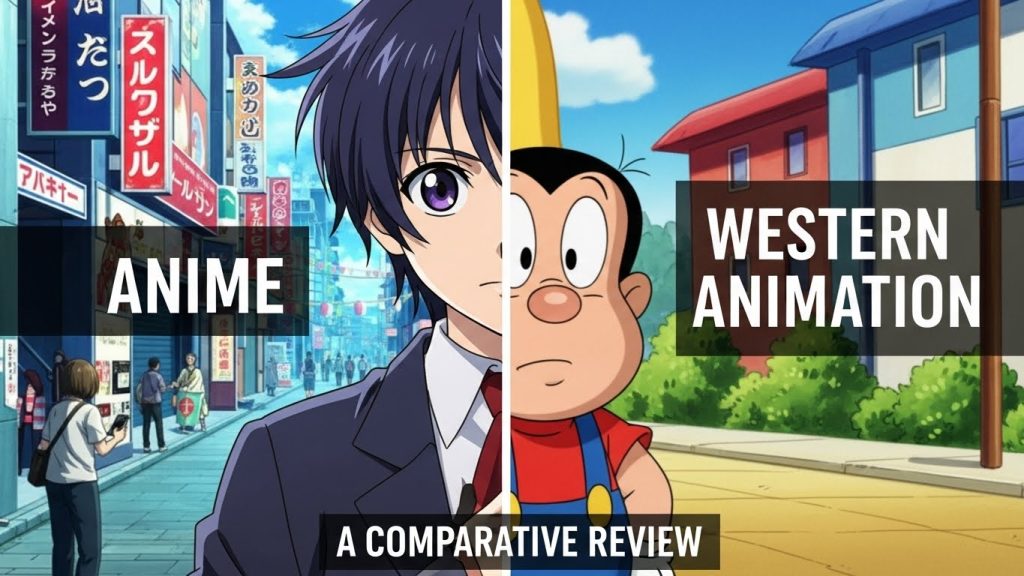
Anime vs. Western Animation: A Comparative Review
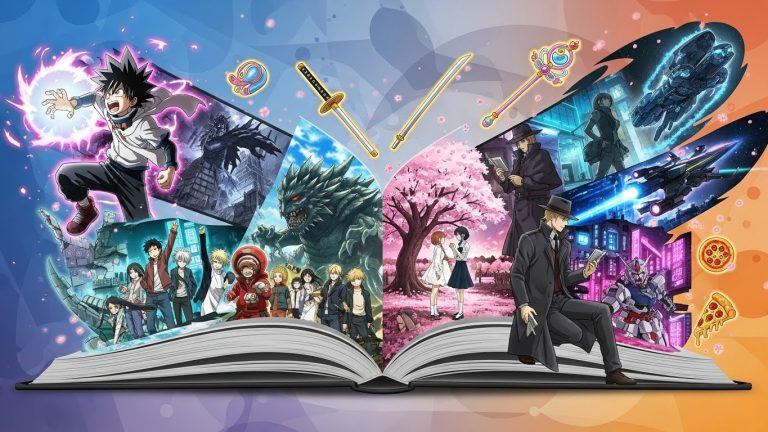
In the world of visual storytelling, few mediums captivate and inspire as much as animation. Over the years, two distinct styles have emerged as dominant forces in this realm: Anime, originating from Japan, and Western Animation, which encompasses styles primarily from the United States and Europe. Both forms have their unique strengths and cultural significance, but how do they compare? This comprehensive review delves into the intricacies of Anime and Western Animation, exploring their historical contexts, stylistic differences, thematic depth, and global influence.
Historical Context and Evolution
The origins of anime can be traced back to the early 20th century when Japanese filmmakers began experimenting with animation techniques. By the 1960s, anime had started to distinguish itself with iconic works like Osamu Tezuka’s Astro Boy, which set the stage for the modern anime industry. Over the decades, anime evolved, embracing a wide array of genres and themes, from fantasy and science fiction to slice-of-life and romance. Today, anime is a global phenomenon, with dedicated fan bases and conventions held worldwide.
Western Animation, on the other hand, has its roots in early 20th-century America with pioneers like Walt Disney and Max Fleischer. Disney’s Steamboat Willie and the subsequent Snow White and the Seven Dwarfs marked the beginning of the golden age of Western Animation. This era was characterized by feature-length films and the rise of iconic characters such as Mickey Mouse and Bugs Bunny. In recent years, Western Animation has diversified, with studios like Pixar and DreamWorks producing critically acclaimed works that appeal to both children and adults.
Visual and Stylistic Differences

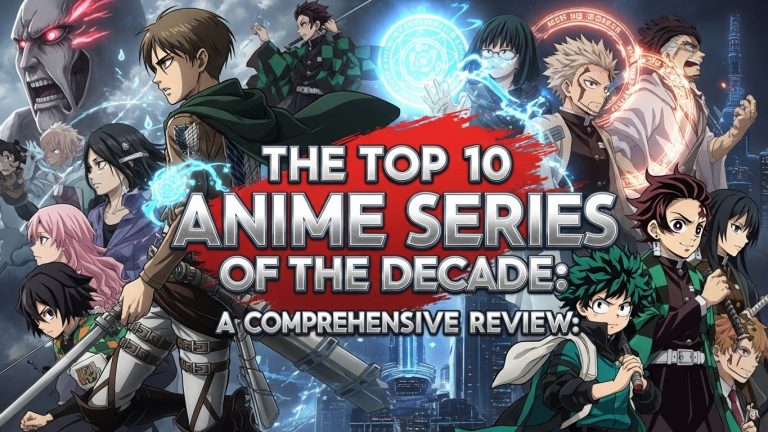
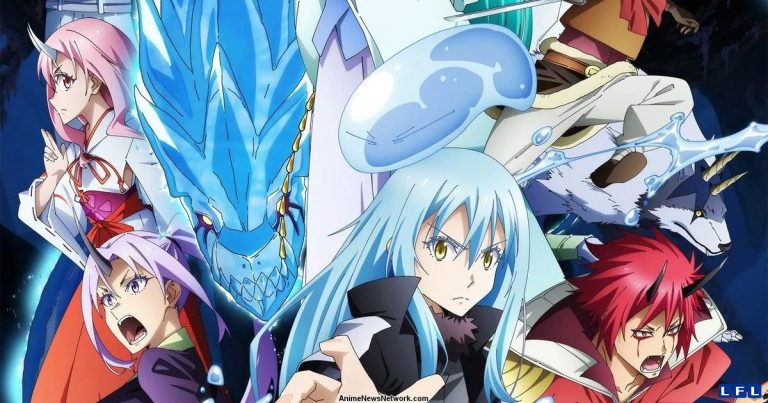
One of the most noticeable differences between anime and Western Animation lies in their visual styles. Anime is renowned for its distinctive character designs, often featuring large, expressive eyes, intricate hair styles, and a wide range of facial expressions. This unique style allows for a deeper emotional connection with characters, as seen in classics like Spirited Away and Attack on Titan. Moreover, anime frequently employs vibrant color palettes and detailed backgrounds, creating visually stunning worlds that captivate audiences.
In contrast, Western Animation tends to prioritize fluidity and realism in motion, focusing on creating lifelike character animations. This is evident in works like Toy Story and The Lion King, where character movements are meticulously crafted to mimic real-life physics. The art style in Western Animation can vary widely, from the exaggerated, cartoonish designs of SpongeBob SquarePants to the more realistic, detailed aesthetics of The Incredibles. This diversity allows for a broad range of storytelling techniques and viewer experiences.
Thematic Exploration and Storytelling
Anime is celebrated for its willingness to tackle complex themes and mature subject matter. Shows like Neon Genesis Evangelion and Death Note delve into psychological and philosophical questions, challenging viewers to ponder the nature of existence and morality. Additionally, anime often explores social issues such as environmentalism, as seen in Princess Mononoke, or the impact of technology on society, exemplified by Ghost in the Shell. This thematic depth has contributed to anime’s reputation as a medium that appeals to adults as much as it does to younger audiences.
Western Animation, traditionally geared towards children, has also begun incorporating deeper themes. Modern animated films like Inside Out and Zootopia address complex issues such as mental health and prejudice, delivering powerful messages within engaging narratives. Television shows like Bojack Horseman and Adventure Time similarly balance humor with poignant reflections on human nature and relationships. This evolution reflects a growing recognition of animation as a versatile tool for storytelling that can resonate with audiences of all ages.
Cultural Impact and Global Influence
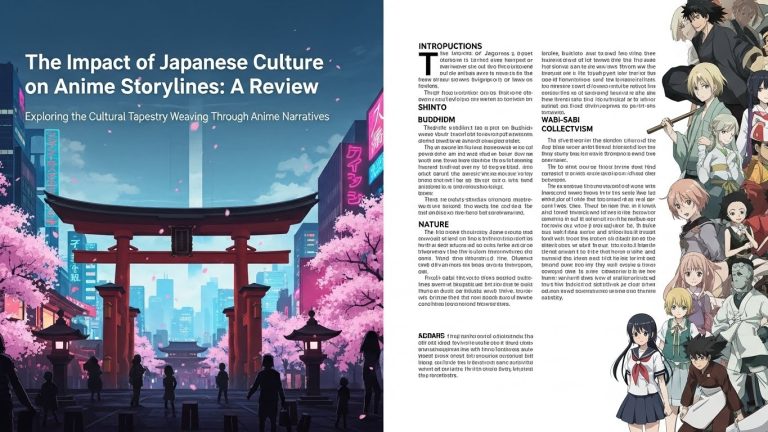
The cultural impact of anime cannot be overstated. With its unique storytelling and artistic style, anime has become a significant cultural export for Japan, influencing various aspects of global pop culture. From fashion and music to video games and merchandise, anime’s reach is extensive. Iconic series like Dragon Ball Z and Naruto have achieved international acclaim, inspiring countless adaptations and spin-offs. The growing popularity of anime streaming platforms like Crunchyroll and Funimation further attests to its widespread appeal.
Western Animation also holds a substantial cultural footprint. Disney’s global brand and its timeless characters like Mickey Mouse have become ubiquitous symbols of Western Animation. The success of franchises such as Frozen and Shrek demonstrates the genre’s ability to captivate audiences worldwide. Additionally, Western Animation’s influence extends into other media, including theme parks, merchandise, and live-action adaptations, solidifying its role as a cornerstone of entertainment.
Conclusion: Bridging Worlds Through Animation
Ultimately, the debate between Anime and Western Animation is not about determining which is superior, but rather appreciating the unique qualities and contributions each brings to the world of storytelling. Anime offers a deep, artistic exploration of themes with its distinctive visual style, while Western Animation excels in creating universally relatable stories through dynamic motion and creative narratives. Both forms continue to evolve, inspiring and entertaining audiences across the globe.
For those interested in exploring these rich worlds, resources such as Anime News Network and Animation World Network provide valuable insights and updates. Whether you’re an avid anime fan or a connoisseur of Western Animation, the diversity and creativity found in both mediums offer something for everyone to enjoy. As animation continues to break cultural and artistic boundaries, its ability to connect people through shared stories and experiences remains its most enduring legacy.
Fandom and Community Engagement
One of the most vibrant aspects of both anime and Western Animation is the passionate communities they foster. Anime fandoms are known for their dedication and creativity, often organizing large conventions such as Anime Expo and Comic-Con, where fans gather to celebrate their favorite series. These events feature cosplay, panels with creators, and exclusive merchandise, creating a lively atmosphere that strengthens communal bonds. Social media platforms further amplify this engagement, allowing fans to share fan art, theories, and reviews, thereby expanding the cultural dialogue around anime.
Western Animation has also cultivated robust fan communities. The enduring popularity of shows like The Simpsons and Rick and Morty is supported by extensive fan theories and creative expressions such as fan fiction and fan art. Online forums and social media groups play a crucial role in sustaining these communities, providing spaces for fans to connect and discuss their favorite shows. Additionally, the rise of streaming services like Netflix and Disney+ has made it easier for fans to access a wide range of animated content, further enhancing community engagement.
Technological Advancements and Future Trends
Both anime and Western Animation have benefitted greatly from technological advancements, which have transformed the production process and expanded creative possibilities. In anime, digital animation techniques have streamlined workflows and allowed for more intricate visual effects, as seen in series like One Punch Man and Demon Slayer. The integration of 3D animation with traditional 2D styles has opened new avenues for innovation, enabling creators to craft breathtaking action sequences and detailed environments.
Western Animation has similarly embraced new technologies, with studios like Pixar pioneering advancements in computer-generated imagery (CGI). The development of sophisticated animation software has allowed for highly realistic character animations and stunning visual landscapes, exemplified in films like Finding Nemo and Moana. As virtual reality (VR) and augmented reality (AR) continue to evolve, both anime and Western Animation are poised to explore these mediums, offering immersive storytelling experiences that transcend conventional viewing.
Educational Value and Cultural Exchange
Beyond entertainment, both anime and Western Animation serve as valuable educational tools and facilitators of cultural exchange. Anime often incorporates elements of Japanese culture, history, and mythology, providing international audiences with insights into Japan’s rich heritage. Shows like Samurai Champloo and Natsume’s Book of Friends introduce viewers to traditional Japanese customs and folklore, fostering cross-cultural understanding and appreciation.
Western Animation, with its diverse range of storytelling, also offers educational opportunities. Educational programs such as Sesame Street and Dora the Explorer have long been staples in children’s education, teaching foundational skills and promoting global awareness. Moreover, animated documentaries and biographical films, like Waltz with Bashir and Loving Vincent, use animation to convey historical events and artistic contributions, making complex subjects accessible to a broader audience.
The Role of Streaming Platforms
The rise of streaming platforms has revolutionized the accessibility and distribution of both anime and Western Animation. Services like Netflix, Crunchyroll, and Hulu have made it easier than ever for audiences to discover and enjoy a diverse array of animated content. This increased accessibility has contributed to the globalization of animation, with more people around the world becoming fans of series outside their cultural origins.
Streaming platforms also provide creators with greater opportunities to experiment with format and content, leading to innovative series that might not have been possible in traditional broadcast formats. For example, Netflix’s Castlevania and Love, Death & Robots have pushed the boundaries of animated storytelling, exploring mature themes and intricate narratives. This freedom encourages diversity in storytelling and fosters a more inclusive animation industry.
Final Thoughts
The rich tapestry of anime and Western Animation showcases the power of visual storytelling to transcend cultural and linguistic barriers. Each style offers unique perspectives and experiences that enrich our understanding of humanity and creativity. As the animation landscape continues to evolve, fueled by technological advancements and global connectivity, the potential for cultural exchange and artistic innovation remains boundless.
Whether through the heartfelt narratives of anime or the dynamic worlds of Western Animation, these mediums have the capacity to inspire, educate, and entertain audiences across all walks of life. For those eager to explore further, websites like Crunchyroll and Cartoon Brew offer a wealth of resources and insights into the ever-expanding universe of animated storytelling. As we look to the future, the enduring appeal and influence of animation promise to captivate the imaginations of generations to come.
About the Author