Demystifying the Success of Anime: Why It’s More Than Just Cartoons
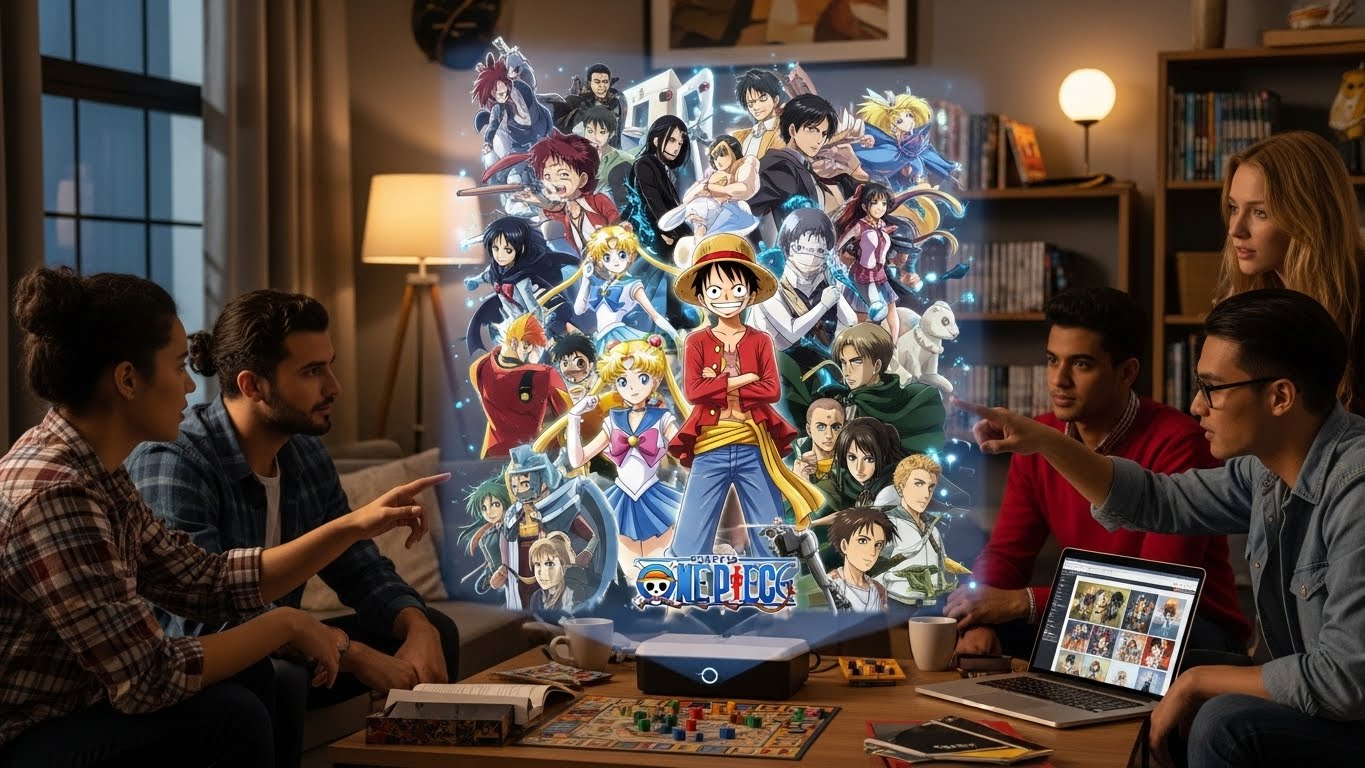
Anime has transcended its niche beginnings to become a global cultural phenomenon. Once primarily a Japanese export, anime has garnered massive popularity worldwide, appealing to audiences of all ages and backgrounds. But what exactly is it about anime that captivates so many? Is it merely a different style of cartoon, or does it offer something deeper? In this article, we will explore the unique aspects of anime that contribute to its widespread success and enduring appeal.
The Rich History and Evolution of Anime
The origins of anime can be traced back to the early 20th century. Influenced by Western animation techniques, Japanese artists began to create their own unique style. The post-war period marked a significant evolution, with iconic works like Osamu Tezuka’s Astro Boy laying the groundwork for modern anime. As the medium evolved, it began to incorporate a wide array of genres, from science fiction to romance, horror, and slice-of-life stories.
Over the decades, anime has grown from a niche market into a global powerhouse. Today, it is a multi-billion dollar industry that spans television, film, and streaming platforms. The rise of the internet and platforms like Crunchyroll have made anime more accessible than ever, allowing fans from around the world to engage with new and classic series alike.
Storytelling Depth and Complex Characters

One of the defining features of anime is its storytelling complexity. Unlike many Western cartoons aimed primarily at children, anime often delves into profound themes, philosophical questions, and complex character development. Series like Attack on Titan and Death Note explore morality, the struggle for power, and the nature of justice, offering viewers much more than simple entertainment.
Anime is known for its multifaceted characters who often undergo significant development throughout a series. These characters are not just heroes or villains; they are flawed, relatable, and dynamic. For example, in Fullmetal Alchemist: Brotherhood, the protagonists face moral dilemmas and personal challenges that resonate deeply with viewers.
Cultural Influence and Artistic Style
Anime’s artistic style is another element that sets it apart. The vibrant visuals, expressive character designs, and detailed backgrounds create a unique aesthetic that is instantly recognizable. This art style often emphasizes emotion and atmosphere, enhancing the storytelling experience.
Culturally, anime serves as a window into Japanese society, offering insights into its traditions, values, and social issues. Shows like Spirited Away and My Neighbor Totoro by Studio Ghibli provide audiences with a glimpse into everyday life and folklore in Japan. This cultural authenticity adds depth and appeal, attracting viewers who are eager to learn about different ways of life.
The Role of Fandom and Community
The anime community is a vibrant and integral part of its success. Fans engage with anime through conventions, online forums, fan art, and cosplay, creating a sense of belonging and shared passion. Events like Anime Expo and Comic-Con bring together fans from around the world, fostering a global community.

This sense of community extends to social media, where platforms like Reddit and Twitter allow fans to discuss their favorite shows, share theories, and recommend series to newcomers. The active engagement of fans helps sustain interest in anime and encourages new viewers to join the fold.
Global Reach and Accessibility
The globalization of anime has been greatly facilitated by the internet and streaming services. Platforms like Netflix and Amazon Prime Video have expanded their anime libraries, making it easy for international audiences to access a wide range of content. Subtitling and dubbing have also improved, breaking down language barriers and enhancing accessibility.
Moreover, anime’s universal themes and diverse genres make it appealing to a broad audience. Whether you’re interested in action-packed adventures, romantic dramas, or thought-provoking psychological thrillers, there’s likely an anime that fits your tastes.
Merchandising and Economic Impact
Anime’s success is not limited to its storytelling and artistic appeal; it also has a significant economic impact through merchandising. From figurines and clothing to video games and collectibles, anime merchandise generates billions of dollars annually. This merchandise allows fans to express their love for their favorite series and characters, further cementing anime’s cultural footprint.
Additionally, anime has influenced various industries, including fashion, technology, and even tourism. Cities like Akihabara in Tokyo have become meccas for anime enthusiasts, drawing tourists eager to immerse themselves in anime culture.
Challenges and Criticisms
Despite its success, anime is not without challenges and criticisms. Some series have been criticized for their portrayal of gender roles, violence, and fan service. Additionally, the industry’s grueling work conditions have raised concerns about the well-being of animators and other professionals involved in production.
However, the industry is gradually addressing these issues. There is a growing awareness of the need for more diverse representation and better working conditions. Fans and creators alike are advocating for positive change, ensuring that anime continues to evolve and improve.
Takeaways
Anime’s success is a testament to its ability to transcend cultural and linguistic boundaries, appealing to a global audience with its unique blend of storytelling, artistry, and emotional depth. It offers more than just entertainment; it provides a rich, immersive experience that resonates with viewers on a personal level.
As anime continues to grow and evolve, it remains an influential cultural force, inspiring creativity and connection among fans worldwide. Its impact goes far beyond the screen, shaping art, culture, and community in profound ways. Whether you’re a seasoned fan or a curious newcomer, anime offers a world of possibilities waiting to be explored.
Exploring Diverse Genres and Themes
One of the standout characteristics of anime is its vast array of genres and themes, which cater to a wide range of interests and age groups. From fantasy and science fiction to horror and romance, the diversity in anime genres is unparalleled. This diversity allows creators to explore complex themes and narratives that might not fit into the more rigid structures of Western animation.

For instance, the isekai genre, which involves characters being transported to parallel worlds, has gained immense popularity, with series like Re:Zero and No Game No Life capturing the imaginations of viewers. On the other hand, slice-of-life anime such as Clannad and Your Lie in April offer heartfelt stories that explore everyday human experiences and emotions.
Anime’s Influence on Pop Culture
Anime’s impact extends beyond its immediate fanbase, influencing pop culture on a global scale. This is evident in the way anime aesthetics and storytelling techniques have permeated other media forms, including movies, video games, and even music videos. The influence of anime can be seen in Hollywood films like The Matrix, which drew inspiration from anime classics such as Ghost in the Shell and Akira.
Moreover, anime’s distinctive art style and themes have inspired fashion trends, with many designers incorporating anime-inspired elements into their collections. The popularity of anime-inspired music, such as the rise of J-Pop and K-Pop, further highlights its influence on the global music scene.
The Educational Value of Anime
Beyond entertainment, anime offers educational value by introducing viewers to various cultural, historical, and scientific concepts. Many anime series incorporate real-world knowledge and historical events into their narratives, providing viewers with a fun and engaging way to learn. For example, Dr. Stone combines science fiction with real scientific principles, educating audiences about chemistry and physics.

Additionally, anime often tackles societal issues, encouraging viewers to think critically about topics such as war, politics, and human rights. Series like Code Geass and Psycho-Pass challenge viewers to reflect on the complexities of governance and personal freedom, making anime a valuable tool for sparking meaningful discussions.
The Future of Anime
As anime continues to grow in popularity, its future looks promising, with technological advancements offering new possibilities for storytelling and animation. The rise of virtual reality and augmented reality presents exciting opportunities for immersive anime experiences, allowing fans to interact with their favorite worlds and characters in unprecedented ways.
Furthermore, the increasing collaboration between Japanese animation studios and international creators is likely to result in innovative projects that blend different cultural perspectives. This cross-cultural exchange will not only enrich the anime industry but also broaden its appeal to an even wider audience.
Takeaways
In conclusion, anime’s success is not a result of mere chance but a combination of its rich history, diverse storytelling, and cultural impact. It offers a unique blend of art, entertainment, and education that resonates with viewers worldwide. As the industry continues to evolve, anime will undoubtedly remain a powerful and influential medium, captivating audiences with its creativity, depth, and universal appeal.
Whether you’re a lifelong fan or new to the world of anime, there is always something new to discover and appreciate. As you dive deeper into this captivating medium, you’ll find that anime is indeed much more than just cartoons; it’s a vibrant, dynamic art form that has the power to inspire, educate, and connect people across the globe.
About the Author