Exploring the Art of Storytelling in Anime: A Review of Iconic Plots
Anime, a vibrant and diverse form of storytelling, has captured the hearts of audiences worldwide. With its unique blend of art, music, and narrative, anime offers a storytelling experience unlike any other. From epic tales of heroism to intimate explorations of human emotion, anime covers a wide spectrum of genres and themes. In this blog post, we will delve into the intricate art of storytelling in anime, exploring some of the most iconic plots that have defined the medium.
The Evolution of Anime Storytelling
The storytelling in anime has undergone significant evolution over the decades. Initially, anime was predominantly characterized by simple narratives aimed at younger audiences. However, as the medium matured, creators began to explore more complex themes and narratives, incorporating elements of science fiction, fantasy, romance, and psychological drama.
One of the pivotal moments in anime storytelling came with the advent of series like Neon Genesis Evangelion, which broke traditional narrative molds and introduced existential and philosophical themes into the mainstream. This shift not only expanded the audience demographic but also set a new standard for narrative depth and character development in anime.
Iconic Plots That Defined Anime
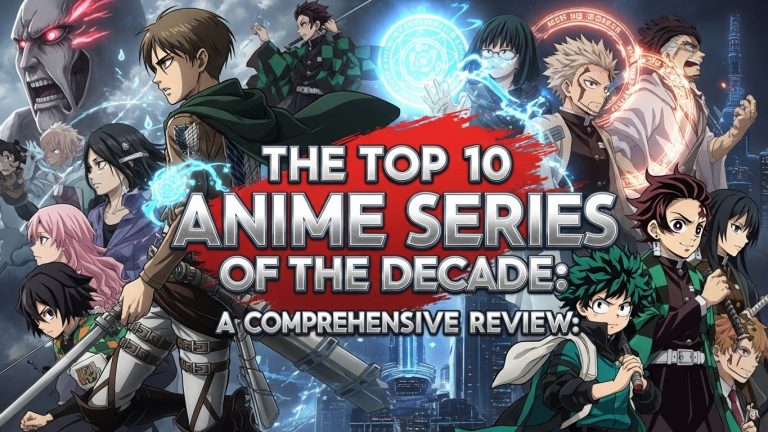
Several anime series have left an indelible mark on the medium through their iconic plots. Let’s explore some of these groundbreaking stories that have captured the imaginations of viewers around the globe.

Naruto: A Tale of Perseverance and Friendship
Naruto, created by Masashi Kishimoto, is a quintessential example of a coming-of-age story that has resonated with audiences for over a decade. The plot follows Naruto Uzumaki, a young ninja with dreams of becoming the Hokage, the leader of his village. Despite facing numerous challenges and prejudices, Naruto’s unwavering determination and belief in friendship drive the narrative forward.
The series expertly weaves themes of perseverance, sacrifice, and the power of bonds, making it a compelling narrative journey. Naruto’s journey from an outcast to a hero is a testament to the power of character development in storytelling. For more on the impact of anime’s cultural significance, consider exploring comprehensive resources.
Attack on Titan: A Dark Fantasy Exploration
Attack on Titan, created by Hajime Isayama, presents a dystopian world where humanity is on the brink of extinction, living in fear of giant humanoid creatures known as Titans. The series is renowned for its intense and unpredictable plot twists, which keep viewers on the edge of their seats.
The narrative delves into themes of survival, betrayal, and the moral complexities of war. It challenges viewers to question the nature of freedom and humanity, offering a gripping storyline that is both thrilling and thought-provoking. For an in-depth analysis of anime plot structures and their evolution, there are many scholarly articles worth reading.
Your Name: A Tale of Love and Fate
Your Name, directed by Makoto Shinkai, is a beautifully animated film that intertwines themes of love, fate, and time. The plot revolves around two teenagers, Taki and Mitsuha, who inexplicably begin to swap bodies, leading them to form a deep connection.
The film is celebrated for its stunning visuals and emotional depth, as well as its exploration of the red thread of fate, a concept deeply rooted in Japanese culture. It challenges the boundaries of time and space, creating a narrative that is both poignant and uplifting. This film exemplifies the power of anime cinema in conveying complex emotions through storytelling.
Spirited Away: A Journey of Self-Discovery
Spirited Away, by the legendary Hayao Miyazaki, is a masterpiece of storytelling that takes viewers on a magical journey. The film follows Chihiro, a young girl who finds herself in a mysterious spirit world after her parents are transformed into pigs.
As Chihiro navigates this fantastical realm, she learns valuable lessons about courage, resilience, and identity. The narrative is rich with symbolism and cultural references, making it a profound exploration of the self. For an understanding of the cultural context and influence of Studio Ghibli films, extensive analysis can be found in various film studies.
The Art of Character Development
Integral to the success of these iconic plots is the art of character development. Anime characters are often complex and multi-dimensional, with their growth and evolution serving as a driving force for the narrative. The development of characters like Naruto, Eren Yeager from Attack on Titan, and Chihiro from Spirited Away reflects their internal struggles and triumphs, making their journeys relatable and inspiring.
Character development in anime is not just about physical transformation but also emotional and psychological growth. This depth allows viewers to form emotional connections with the characters, enhancing the impact of the story.
Conclusion: The Legacy of Anime Storytelling
The art of storytelling in anime is a dynamic and ever-evolving landscape that continues to captivate audiences worldwide. Through iconic plots and rich character development, anime explores the human condition in ways that are both entertaining and intellectually stimulating. From tales of heroism and friendship to explorations of love and existential dilemmas, anime offers a vast tapestry of narratives that resonate with viewers of all ages.
As anime continues to grow in popularity, its storytelling techniques and themes will undoubtedly continue to influence and inspire future generations of creators and viewers alike. Whether you are a seasoned anime enthusiast or a newcomer to the medium, there is an abundance of stories waiting to be discovered and cherished.
The Influence of Cultural Elements in Anime Storytelling
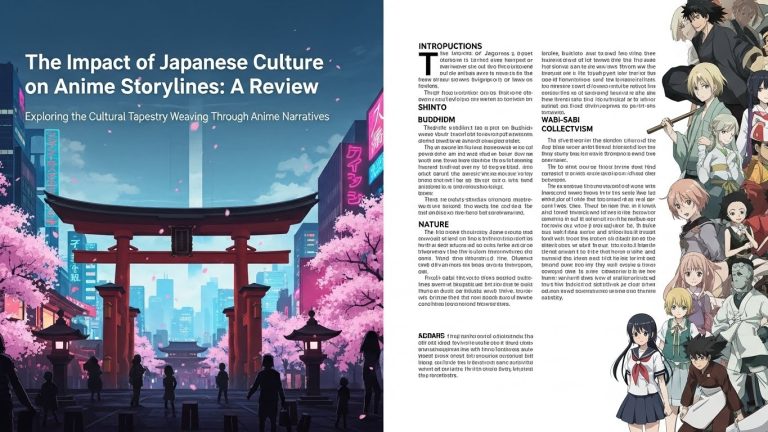
Anime storytelling is deeply intertwined with Japanese culture, often reflecting its rich traditions, beliefs, and societal issues. This cultural influence lends authenticity and depth to the narratives, allowing viewers to gain insight into Japanese life and philosophy. For example, many anime incorporate elements of Shintoism and Buddhism, exploring themes of nature, spirituality, and the interconnectedness of all things.
Additionally, anime often addresses contemporary social issues such as environmental conservation, as seen in Princess Mononoke, or the impacts of technology on society, as explored in Ghost in the Shell. These cultural narratives not only provide context but also invite viewers to reflect on global issues through a uniquely Japanese lens. For more on the cultural impact of anime, consider exploring resources on Japanese culture.
The Role of Visual and Musical Storytelling
Aside from plot and character development, anime is renowned for its visual and musical storytelling. The art style and animation techniques play crucial roles in conveying the story’s mood and themes. Directors like Makoto Shinkai and Hayao Miyazaki are celebrated for their breathtaking visuals that often serve as a backdrop to the narrative, enhancing the emotional resonance of the story.
Music, too, is a powerful tool in anime storytelling. Iconic soundtracks, like those composed by Joe Hisaishi for Studio Ghibli films, or Yoko Kanno for Cowboy Bebop, are integral to the storytelling process. They evoke emotions, build tension, and provide a deeper connection between the audience and the narrative. The synthesis of visuals and music in anime creates a holistic storytelling experience that captivates the senses.
The Global Reach and Adaptation of Anime
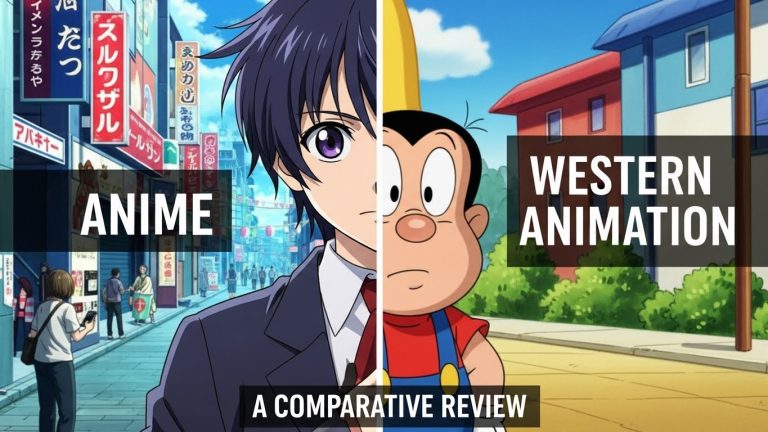
Anime’s unique storytelling approach has transcended cultural boundaries, gaining immense popularity worldwide. This global reach has led to numerous adaptations and influences in other forms of media, including Hollywood films and Western animation. The universal themes and compelling narratives found in anime resonate with diverse audiences, proving the medium’s versatility and appeal.
As anime continues to evolve and adapt, it embraces new technologies and storytelling techniques, such as 3D animation and virtual reality, to enhance the viewer’s experience. This adaptability ensures that anime remains at the forefront of innovative storytelling, constantly pushing the boundaries of what is possible in narrative art.
Final Thoughts: The Future of Anime Storytelling
Looking to the future, the art of storytelling in anime is poised for continued growth and innovation. With advancements in technology and a growing global fanbase, anime creators have more tools and opportunities than ever to craft engaging and thought-provoking narratives. As audiences become more diverse and discerning, the demand for complex and meaningful stories will drive anime storytelling to new heights.
The exploration of themes like identity, morality, and the human experience will likely remain central to anime narratives, inviting viewers to reflect on their own lives and the world around them. Whether through traditional hand-drawn animation or cutting-edge digital techniques, anime will continue to inspire, entertain, and challenge audiences for generations to come.
In conclusion, the art of storytelling in anime is a rich and dynamic field that offers endless possibilities for creativity and expression. By examining iconic plots and exploring the cultural, visual, and musical elements of anime, we gain a deeper appreciation for this beloved medium and its impact on storytelling as a whole.
About the Author