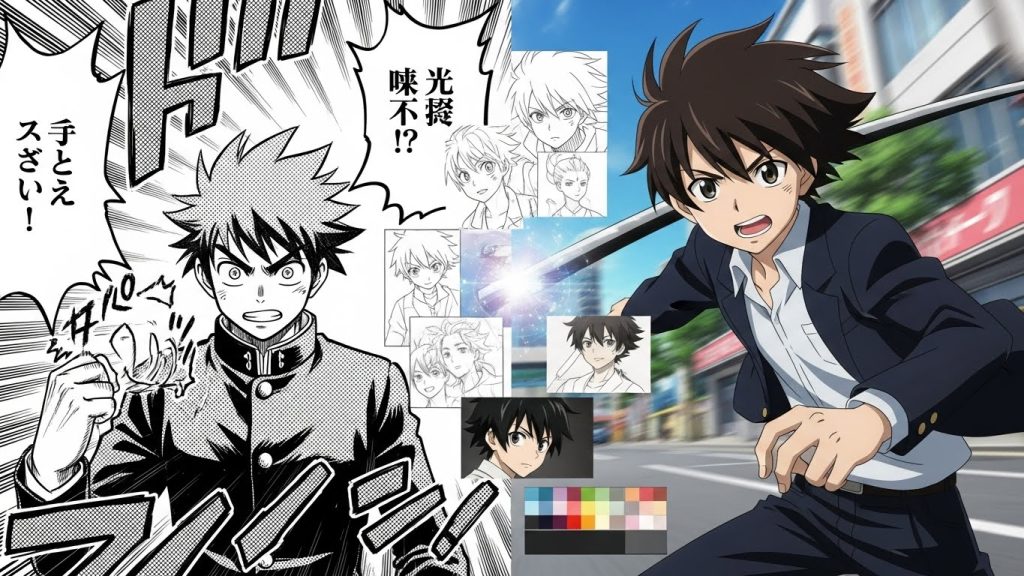
From Manga to Screen: The Process of Transforming Characters into Anime
Anime, a vibrant and dynamic form of entertainment, has gained immense popularity worldwide. One of the most captivating aspects of anime is its ability to bring manga characters to life on screen. The process of transforming a two-dimensional manga into a fully animated series involves a blend of artistry, technology, and storytelling. This intricate process ensures that the essence of the original manga is preserved while adapting it to a new medium. In this article, we’ll explore the detailed steps involved in bringing manga characters to life in anime.
The Journey Begins: Selecting the Manga
The first step in transforming manga into anime is the careful selection of the source material. Manga is a diverse genre, with countless stories and styles. Producers often look for manga that has a strong following, unique storyline, and well-developed characters. The popularity of a manga can be a significant factor in its selection for adaptation. For instance, the manga “One Piece” was chosen because of its massive fan base and compelling narrative.
Once a manga is selected, the production team begins to analyze the story’s potential for adaptation. They identify key story arcs, character developments, and themes that will resonate with an anime audience. This is a crucial phase, as not all manga can be successfully adapted into anime due to differences in pacing and storytelling techniques.
Scriptwriting: Adapting the Story
After selecting the manga, the next step is scriptwriting. This phase involves transforming the manga’s story into a screenplay suitable for animation. Scriptwriters must balance staying true to the original material while making necessary adjustments for the anime format. This can include condensing or expanding story arcs, modifying dialogue, and ensuring that the pacing suits episodic television.

Scriptwriters often work closely with the manga’s original creator, or mangaka, to ensure that the adaptation aligns with their vision. This collaboration can result in unique story elements that enhance the anime experience. For example, the anime adaptation of “Dragon Ball Z” included filler episodes that were not present in the manga, providing deeper character exploration and world-building.
Character Design: Bringing Characters to Life
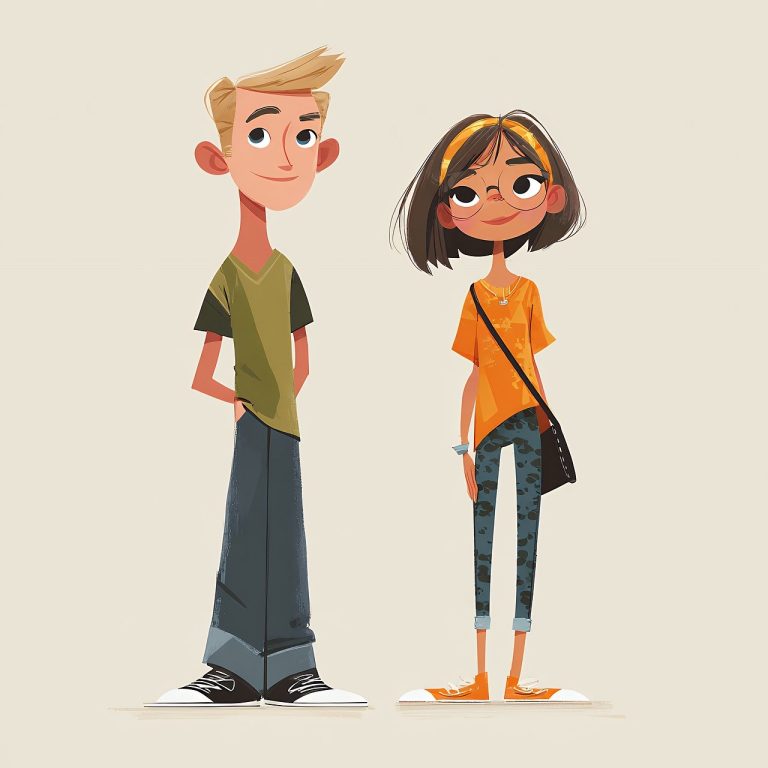
One of the most exciting aspects of adapting manga into anime is character design. Character designers take the original manga illustrations and transform them into detailed, expressive anime characters. This process involves creating character sheets that depict various poses, facial expressions, and costumes.
Animation studios often employ talented artists who specialize in translating the unique art style of the manga into the animation medium. This includes maintaining the distinct features that fans love while ensuring that characters are suitable for animation. For example, the intricate designs of characters in “JoJo’s Bizarre Adventure” required careful adaptation to maintain the original’s stylistic flair while ensuring fluid animation.
Storyboarding: Visualizing the Scenes
Storyboarding is a critical step in the anime production process. It involves creating a visual blueprint of the anime, laying out each scene in a sequential format. Storyboard artists work closely with directors to ensure that the visual narrative aligns with the script.
This process helps in visualizing the flow of the story, determining camera angles, and planning scenes’ timing and transitions. Storyboarding is where the director’s vision truly begins to take shape, setting the stage for the animation process. An effectively storyboarded anime can capture the dynamic action of manga panels while adding motion and depth.
Animation: Breathing Life into Characters
Animation is where the characters truly come to life. This stage involves a team of animators who create the movement and expression of characters based on the storyboards. The animation process can be divided into several key phases:
- Key Animation: Skilled animators create the main poses for each scene, capturing the essence of the movement.
- In-between Animation: Additional frames are added to ensure smooth transitions between key poses.
- Clean-up: Artists refine the drawings, ensuring consistency and clarity in the animation.
- Coloring: Characters and backgrounds are colored, adding depth and vibrancy to the visuals.
The animation process is labor-intensive and requires collaboration among various departments. Studios often use a combination of traditional hand-drawn techniques and digital animation to achieve the desired aesthetic. The anime “My Hero Academia” is a testament to the power of skilled animation in bringing manga stories to life, with its dynamic action sequences and expressive characters.
Voice Acting: Infusing Personality
Voice acting is a vital component of anime production, as it infuses characters with personality and emotion. Casting directors select voice actors who can capture the essence of the characters, often auditioning multiple candidates for each role. The chosen voice actors then record their lines, bringing the characters’ dialogues and emotions to life.
Voice actors play a significant role in shaping the audience’s perception of characters. Their performances can elevate the anime, adding depth and nuance to the storytelling. For instance, the voice acting in “Sword Art Online” has been praised for enhancing the emotional impact of key scenes.
Sound Design and Music: Enhancing the Experience
Sound design and music are crucial in creating the overall atmosphere of an anime. Sound designers work to create a soundscape that complements the visual elements, adding effects that enhance the storytelling. This includes ambient sounds, action effects, and environmental audio that immerse viewers in the anime’s world.
Music composers create an original soundtrack that reflects the tone and themes of the anime. The right musical score can elevate the emotional impact of scenes, making them memorable and impactful. Iconic anime like “Studio Ghibli movies” are renowned for their unforgettable soundtracks, which have become integral to their identity.
Post-Production and Final Edits
Once all elements are in place, the anime enters the post-production phase. This stage involves editing scenes, synchronizing audio, and adding special effects. Editors ensure that the pacing and timing align with the director’s vision, creating a seamless viewing experience.
Final edits may include adjustments to enhance visual quality, such as color grading and adding digital effects. This phase is crucial for achieving the polished look that audiences expect from high-quality anime productions.
Conclusion: The Magic of Anime Transformation
The journey from manga to screen is a complex and collaborative process that requires the expertise of countless creative professionals. Each step, from selecting the manga to finalizing post-production, plays a vital role in transforming beloved characters into a captivating anime experience. This intricate process ensures that the magic of the original manga is preserved, while also taking advantage of the unique storytelling possibilities that anime offers.
The success of an anime adaptation hinges on the careful balance between staying true to the source material and embracing the creative freedoms of animation. By understanding and appreciating the effort involved in this transformation, fans can enjoy their favorite characters‘ adventures with a deeper appreciation for the artistry behind the scenes.
The Role of Technology in Anime Production
In recent years, technology has played an increasingly pivotal role in the anime production process. Advances in digital animation tools have streamlined many aspects of production, from character design to final editing. These technological innovations have allowed studios to explore new artistic possibilities and improve efficiency.
One significant development has been the use of computer-generated imagery (CGI) in anime. While traditional hand-drawn animation remains popular, CGI allows for more complex and dynamic scenes that might be challenging to achieve otherwise. For instance, the anime “Knights of Sidonia” utilizes CGI to create stunning space battles and futuristic environments that enhance the storytelling experience.
Moreover, digital tools have enabled animators to experiment with different styles and techniques. Software like Adobe Animate and Toon Boom Harmony allows for precise control over animation frames, making it easier to achieve fluid motion and intricate details. These tools also facilitate collaboration among artists, as files can be easily shared and edited across teams.
Challenges in Anime Adaptation
Despite advancements in technology and storytelling, adapting manga into anime presents several challenges. One of the most significant hurdles is maintaining the pacing and tone of the original manga. Manga often features intricate plots and character developments that can be difficult to condense into a limited number of episodes.
Another challenge is budget constraints. High-quality animation is expensive and time-consuming, and studios must balance creative ambitions with financial realities. This can sometimes result in compromises, such as reduced animation quality or the omission of certain story arcs. Successful adaptations, like “Attack on Titan“, manage to find a balance, delivering a visually stunning product while staying true to the source material.
The Impact of Cultural Differences
Anime adaptations also need to consider cultural nuances, especially when targeting international audiences. Certain themes, humor, or references that resonate with Japanese audiences may not translate well to other cultures. This can necessitate creative localization efforts, such as altering dialogue or adding explanatory notes to help viewers understand cultural contexts.
The global popularity of anime has encouraged studios to be mindful of these cultural differences while striving to maintain the authenticity of the original manga. This approach has been effective in broadening the appeal of anime, making it accessible to a diverse audience worldwide.
Fan Engagement and Feedback
Anime fans are passionate and deeply invested in their favorite series. This engagement can significantly influence the adaptation process, as studios often take fan feedback into account. Social media platforms provide a space for fans to express their opinions, and producers may use this feedback to make adjustments in future episodes or adaptations.
Fan engagement is also evident through conventions and fan events, where creators and voice actors interact directly with audiences. These interactions can offer valuable insights into what resonates with fans and what aspects of the adaptation may need improvement. This collaborative relationship between creators and fans helps to ensure that the final product is both faithful to the manga and satisfying to its audience.
The Future of Manga-to-Anime Adaptations
As anime continues to evolve, the future of manga-to-anime adaptations looks promising. Emerging technologies such as virtual reality (VR) and augmented reality (AR) open new avenues for storytelling, allowing fans to immerse themselves in anime worlds like never before. These innovations could revolutionize how audiences experience anime, offering interactive and engaging ways to explore their favorite stories.
Moreover, the increasing collaboration between Japanese studios and international creators is likely to foster new creative approaches to anime production. This cross-cultural exchange can lead to fresh ideas and perspectives, enriching the anime landscape with diverse storytelling styles and themes.
Conclusion: Celebrating the Art of Anime
The transformation of manga into anime is an art form in itself, requiring a harmonious blend of creativity, technology, and collaboration. Each step in the process contributes to bringing beloved characters and stories to life, allowing fans to experience the magic of anime in new and exciting ways.
As we look to the future, the continued innovation and passion of creators and fans alike will ensure that anime remains a dynamic and beloved medium. By celebrating and supporting the artistry behind anime adaptations, we can look forward to many more captivating journeys from manga to screen.
About the Author