The Art of Character Development in Anime: An In-depth Analysis
Anime, as a storytelling medium, has captivated audiences worldwide with its unique ability to blend visual artistry with compelling narratives. One of the most critical components of a successful anime is the depth and complexity of its characters. This article delves into the art of character development in anime, exploring the techniques creators use to breathe life into their characters, and examining why well-developed characters are essential to the impact of a story.
Understanding Character Development
Character development refers to the process by which a character evolves throughout a story. This evolution can be psychological, emotional, or moral and is often achieved through various narrative techniques. In anime, character development is particularly significant due to the episodic format, which allows for gradual and nuanced changes over time.
The Importance of Character Arcs
A character arc is the transformation or inner journey of a character over the course of a story. In anime, this can range from the redemption of a villain to the maturation of a young hero. Character arcs are crucial because they provide an emotional anchor for audiences to connect with. They offer insight into human nature, allowing viewers to see themselves reflected in the characters’ struggles and triumphs.
Techniques for Character Development in Anime

Anime creators employ several techniques to ensure that characters are well-developed and relatable. Here are some of the most effective methods:
- Backstory: A well-crafted backstory can provide context for a character’s motivations and actions. For example, the tragic past of Sasuke Uchiha from Naruto helps explain his drive for revenge and his complex relationship with other characters.
- Internal Conflict: Characters with internal struggles are often more relatable. This conflict can manifest as a moral dilemma, a struggle with identity, or emotional turmoil, as seen in Eren Yeager from Attack on Titan.
- Relationships: Interactions with other characters can significantly influence character development. The dynamic between Edward and Alphonse Elric in Fullmetal Alchemist highlights how relationships shape personalities and decision-making.
- Symbolism and Themes: Anime often uses symbolism to reflect a character’s growth. For instance, the evolving nature of Goku’s transformations in Dragon Ball Z symbolizes his journey toward becoming a better fighter and person.
Examples of Exceptional Character Development
Several anime series are renowned for their exceptional character development. Let’s explore some notable examples:
1. Naruto Uzumaki – Naruto
From an ostracized orphan to a beloved hero, Naruto’s journey is a testament to perseverance and self-discovery. His character development is marked by his growing understanding of friendship, leadership, and the responsibilities that come with power.
2. Shinji Ikari – Neon Genesis Evangelion
Shinji’s evolution from a reluctant pilot to someone who confronts his fears and insecurities is a profound exploration of human vulnerability. The series delves deep into his psyche, offering a raw portrayal of mental health struggles.
3. Homura Akemi – Puella Magi Madoka Magica
Homura’s character arc is a poignant narrative of sacrifice and determination. Her journey through time loops to save her friend Madoka highlights themes of love, despair, and the moral complexities of her choices.
The Role of Animation and Voice Acting

While the narrative techniques are crucial, the visual and auditory elements also play a significant role in character development. The art style, facial expressions, and body language contribute to conveying a character’s emotions and growth. Additionally, voice acting adds depth and nuance to the portrayal, allowing audiences to feel a character’s internal struggles.
The Impact of Character Development on Storytelling
Well-developed characters can elevate a story, making it more engaging and memorable. When audiences are invested in a character’s journey, they are more likely to become emotionally attached to the narrative. This attachment can drive the success of an anime, as passionate fans are eager to follow the characters through their adventures and challenges.
Takeaways
The art of character development in anime is a multifaceted process that requires careful consideration and creativity. By crafting characters that grow and evolve, anime creators can create stories that resonate with audiences on a profound level. Whether it’s through intricate backstories, compelling relationships, or powerful internal conflicts, character development remains a cornerstone of effective storytelling in anime.
As the anime industry continues to expand, the demand for richly developed characters remains strong. By understanding and appreciating the techniques behind character development, viewers can gain a deeper appreciation for the artistry involved in bringing their favorite anime characters to life.
Future Trends in Anime Character Development
As anime continues to evolve, so too does the approach to character development. Emerging trends suggest new directions and innovations that could redefine how characters are crafted:
1. Diverse Representation
Anime is increasingly embracing diverse characters that reflect a broader spectrum of identities and experiences. This trend is evident in series like Banana Fish, which explores themes of identity and trauma through its complex protagonist, Ash Lynx. By incorporating diverse perspectives, anime can tell richer, more inclusive stories that resonate with a global audience.

2. Complex Female Characters
While anime has often been criticized for its portrayal of female characters, recent series have pushed for more nuanced and empowered portrayals. Characters like Mikasa Ackerman from Attack on Titan and Motoko Kusanagi from Ghost in the Shell showcase strength, intelligence, and complexity, challenging traditional gender stereotypes.
3. Mental Health Awareness
There is a growing emphasis on portraying mental health issues with sensitivity and accuracy. Anime like A Silent Voice tackle topics such as bullying, depression, and redemption, offering thoughtful reflections on mental health. These narratives not only engage audiences but also promote understanding and empathy.
4. Anti-Heroes and Moral Ambiguity
Anime is increasingly exploring characters with shades of gray, as seen in series like Death Note. Protagonists like Light Yagami challenge viewers by embodying both hero and villain traits, prompting audiences to grapple with complex moral questions. This trend reflects a desire for more sophisticated storytelling that defies easy categorization.
The Role of Fandom in Character Development
Anime fandoms play a crucial role in shaping character development. Fans often engage deeply with characters, creating fan art, fan fiction, and discussions that explore characters’ nuances and potential storylines. This interaction can influence creators, who may consider fan feedback and theories when developing characters in future episodes or seasons.
Additionally, popular characters often inspire spin-offs, merchandise, and adaptations, underscoring the economic and cultural impact of character development. The symbiotic relationship between creators and fans highlights the collaborative nature of storytelling in the anime community.
Conclusion: The Everlasting Impact of Well-Developed Characters
In conclusion, character development is an indispensable element of anime that significantly contributes to a story’s depth and emotional resonance. As anime continues to evolve, the methods and approaches to character development will also adapt, reflecting changes in societal values and audience expectations.
Well-developed characters not only captivate audiences but also inspire them, providing valuable insights into the human condition. Through the lens of anime, viewers can explore diverse experiences, challenge their perceptions, and find solace in the shared struggles of beloved characters.
As we look to the future of anime, the continued emphasis on character development promises to deliver stories that are not only entertaining but also meaningful and transformative. Whether through innovative narrative techniques or the exploration of new themes, anime will undoubtedly continue to captivate hearts and minds with its remarkable characters.
The Influence of Cultural Context on Character Development
Anime is deeply intertwined with Japanese culture, and this cultural context significantly influences character development. Many anime series incorporate elements of Japanese mythology, history, and social norms, which enrich the characters and the world they inhabit. Understanding these cultural nuances can provide audiences with a deeper appreciation of character motivations and actions.
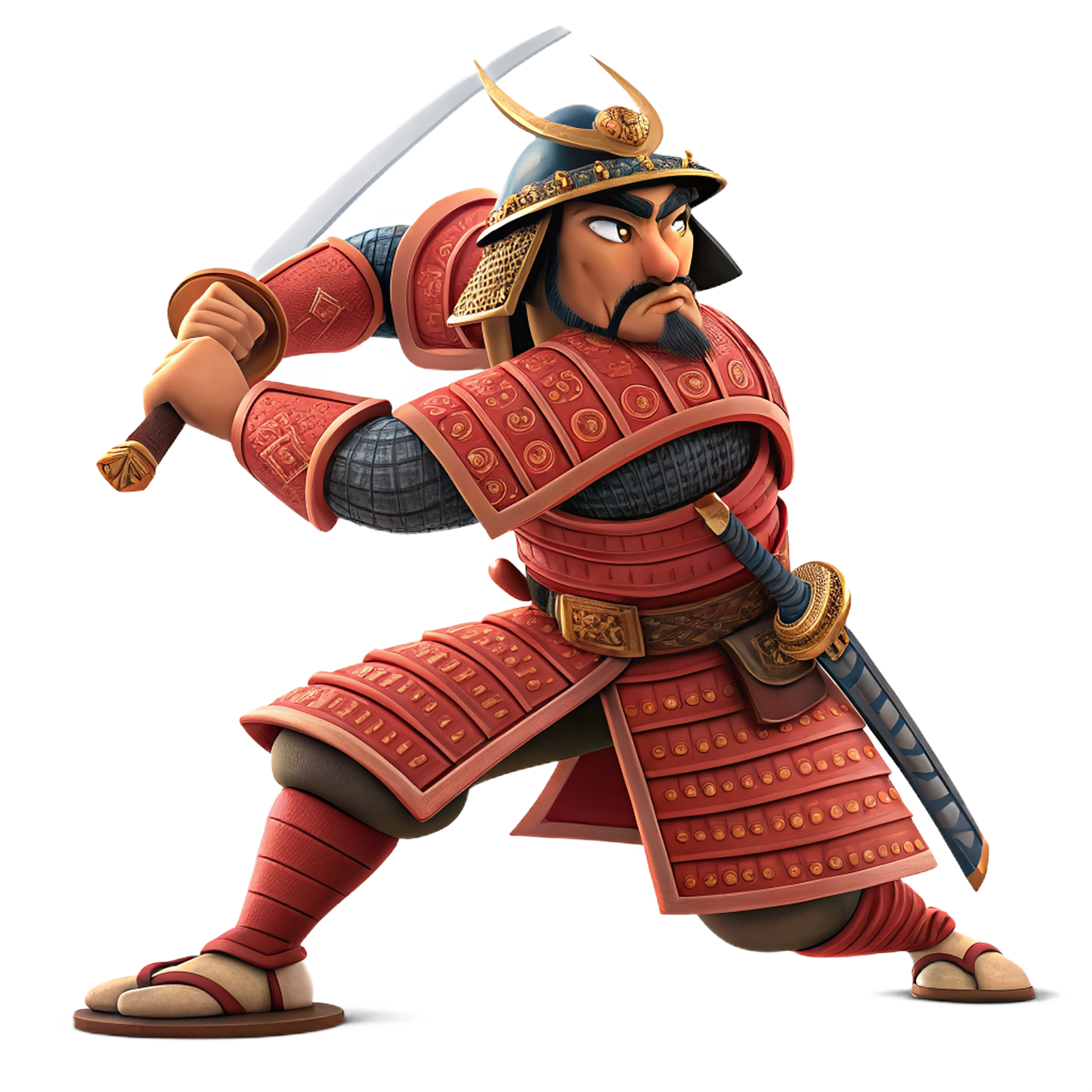
For instance, the concept of giri (duty or obligation) and ninjo (human emotion) often plays a role in character dilemmas, as seen in series like Samurai Champloo. Characters frequently face conflicts between societal expectations and personal desires, a theme that resonates with many viewers both within and outside Japan.

Technological Advances and Character Development
Advancements in technology have revolutionized the way anime characters are developed and presented. With improved animation techniques and digital tools, creators can craft more detailed and expressive characters. Enhanced facial expressions and fluid body movements allow for more subtle and realistic portrayals of emotions, further enhancing character development.
Moreover, virtual reality and augmented reality technologies are beginning to influence anime, offering new possibilities for interactive storytelling. As these technologies become more prevalent, they may allow audiences to experience character development in immersive and innovative ways.
Character Development in a Global Context
While anime is a product of Japanese culture, its global popularity means that character development is also influenced by international audiences. Streaming platforms have made anime more accessible than ever, leading to diverse fanbases that bring their own cultural perspectives to the interpretation of characters.
This global context encourages creators to craft characters that resonate across cultural boundaries, fostering a universal appeal. By blending traditional Japanese elements with global influences, anime continues to evolve as a dynamic and inclusive storytelling medium.
Concluding Thoughts: The Timeless Appeal of Anime Characters
The enduring appeal of anime characters lies in their ability to transcend cultural and linguistic barriers, touching the lives of viewers around the world. Whether through their struggles, triumphs, or growth, well-developed anime characters offer audiences a chance to explore complex human emotions and experiences.
As anime continues to grow and innovate, the art of character development remains a cornerstone of its storytelling prowess. By understanding the techniques and trends that shape character development, fans can gain a richer appreciation for the medium and the unforgettable characters it creates. In doing so, they celebrate not only the art of anime but the universal stories of humanity that it so vividly portrays.
About the Author