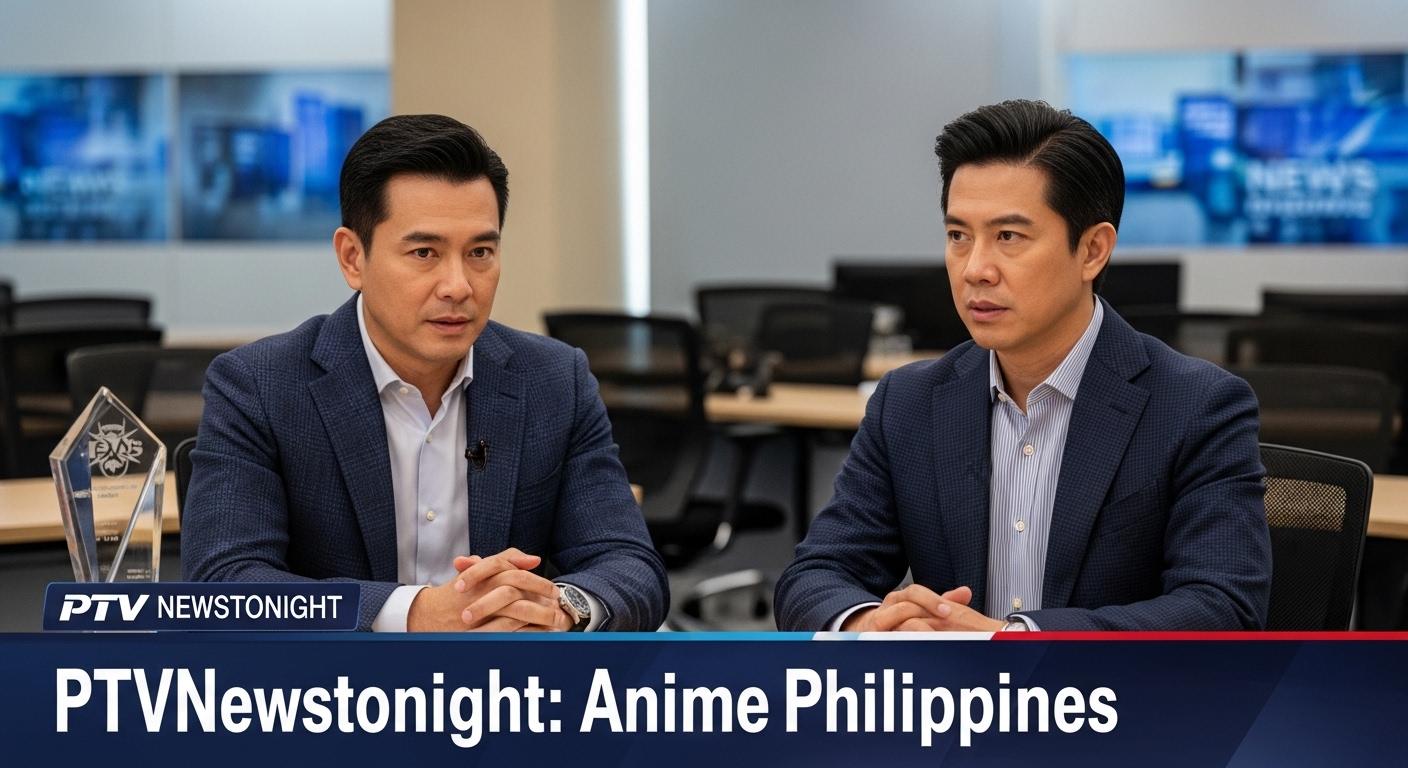
Editorial desk with anime headlines and Philippine skyline.
Updated: April 8, 2026
ptvnewstonight Anime Philippines enters a pivotal moment as television coverage of anime intersects with a vibrant fan culture across the Philippines, reshaping how audiences access, discuss, and value new series. This analysis situates that revival within the wider media ecosystem, where online platforms and local creators increasingly influence what remains on screen and what stays in the shadows of discourse.
Context and Stakes
In the Philippine media market, the revival of a flagship anime-focused program signals more than a rerun of old formats. It implies an attempt to codify anime discourse into a domestically legible narrative that can attract advertisers, fans, and policymakers alike. The stakes are not merely ratings; they involve how fans interpret licensing, accessibility, and content standards. If PTV can align its reporting with fan expectations while maintaining editorial independence, it stands to improve trust in public media as a provider of specialized knowledge in a crowded digital space.
The shift from episodic, uploaded fan commentary to a broadcast ecosystem that synthesizes news, streaming announcements, and regional discussions raises questions about speed, accuracy, and gatekeeping. In the Philippines, where social media drives much of the conversation around anime, a public broadcaster’s voice can either amplify misinformation or offer a stabilizing, verifiable counterweight. The analysis below explores how such dynamics unfold and what they portend for the broader anime ecosystem in the country.
Audience Dynamics in the Philippines
The Filipino anime audience is diverse in age, language, and access. A mobile-first generation consumes episode news, release dates, and fan theories through messaging apps, short videos, and live streams. In this context, a program like ptvnewstonight Anime Philippines can serve as a common frame of reference, translating global industry moves into locally meaningful stories. The question is whether the program will adopt a bilingual or multilingual approach, given the prevalence of Tagalog, English, and regional languages in online communities. Meta-narratives such as whether a title is worthy of attention or a creator’s intention aligns with audience values often travel faster than the official press release. When the channel balances transparency with timeliness, it helps fans separate hype from analysis and reduces the risk of echo chamber amplification.
Beyond viewership, the discourse around anime in the Philippines increasingly intertwines with merch, licensing, and fan-driven content creation. Local conventions, YouTube channels, and fan-subscription groups can amplify or distort coverage depending on how well mainstream media coordinates with creators. The effectiveness of ptvnewstonight Anime Philippines will hinge on how its editors curate primary sources, acknowledge fan expertise, and provide practical context—like where to watch new episodes legally or how to verify release windows across platforms.
Industry Shifts and Content Strategy
The industry context matters because editorial decisions about what to cover, how to frame it, and when to publish can influence market behavior. A public broadcaster reporting on new anime series, licensing news, or festival announcements contributes to a perception of legitimacy that can affect sponsorship and distribution deals. The strategic challenge for ptvnewstonight Anime Philippines is to translate global industry noise into actionable news without eroding trust through sensationalism. This requires a disciplined approach to sourcing, cross-checking, and explaining how licensing, streaming windows, and regional releases affect Philippine fans.
From a content strategy perspective, there is potential for partnerships with local studios, distributors, or fan organizations that can provide on-the-ground insight while ensuring compliance with broadcasting standards. Such collaborations could include bilingual explainers, region-specific schedules, or profiles of Philippine creators contributing to the global anime landscape. However, growth must be tethered to editorial independence, clear correction mechanisms, and transparent disclaimers when coverage is based on press releases or promotional material. The long-term viability of this coverage relies on building a trusted bridge between public media and a dynamic online audience that demands both speed and accuracy.
Actionable Takeaways
- Fans: Verify information through official channels, cross-check release dates on multiple platforms, and participate in moderated discussions to help improve discourse quality.
- Content creators and distributors: Use transparent press communications and provide clear viewing windows for Philippine audiences to reduce confusion and bolster trust.
- Public broadcasters and editors: Invest in newsroom standards for entertainment reporting, including rapid correction protocols and explainers that connect global releases to local options.
- Policy and funding: Consider guidelines that support editorial independence while encouraging access to licensed content and multilingual outreach.
- Advertisers and partners: Seek alignment with responsible coverage that prioritizes accuracy, context, and community engagement over sensationalism.