Paper Rex vs FURIA: Deep Analysis After Masters Santiago
Updated: April 8, 2026
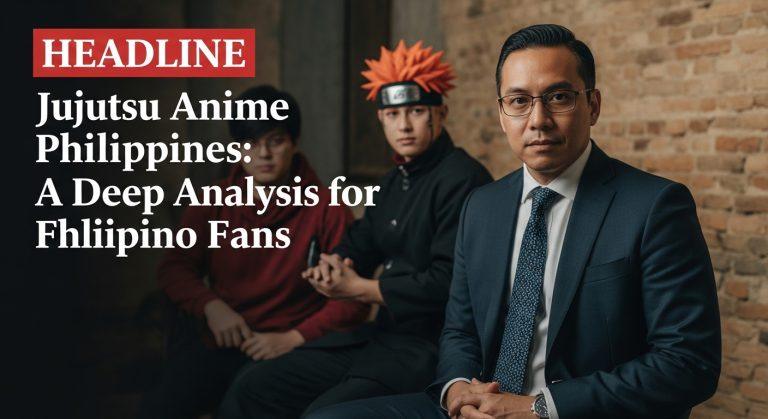
hell Anime Philippines is not just a buzzword, it’s a lens through which observers can examine how access, licensing, and localization shape anime culture in the country. In recent years, Filipino fans have shown remarkable enthusiasm for both seasonal simulcasts and evergreen classics, yet the path from Tokyo to Manila remains punctuated by barriers that affect what people can watch and when.
The Local Landscape: Access, Fandom, and Pressure
In the Philippines, fans consume a mix of mainstream streaming platforms, local events, and informal networks. The large English-speaking audience and high smartphone penetration create a unique consumption pattern: mobile-first, price-sensitive, and community-driven. Official licensing windows often lag behind Japanese premieres, creating a time gap that some fans fill with fan-subbed releases. This friction contributes to a “hell Anime Philippines” dynamic where demand outpaces lawful supply, and communities calibrate their expectations accordingly.
Industry observers note how conventions, clubs, and online communities in the Philippines act as testing grounds for new titles, while social media becomes a pulse for what resonates locally. When an anime enters a wider platform in the region, Filipino fans respond with rapid sharing, live-tweet discussions, and localization requests—signaling both strong demand and a need for better access from rights holders.
Localization, Subtitles, and Compliance
Philippines’ linguistic landscape complicates localization decisions. While English is widely used in education and government, many fans still prefer Tagalog or Filipino subtitles that reflect everyday speech. Subtitles and dubs are not just about translation, but about cultural relevance and comprehension, particularly for humor, wordplay, and culturally specific references. Global services have begun to address this with Filipino subtitles on major simulcasts and occasional Filipino-dub experiments, yet coverage is inconsistent. For creators who rely on ad-supported models, the mismatch between content availability and audience timing can influence viewership and recommendation algorithms.
Market Dynamics: Licensing, Revenue, and Audience Growth
The Philippine market remains a growth opportunity for streaming platforms and licensors willing to navigate regional complexities. Licensing agreements, regional windows, and price points determine how many titles reach Philippine screens promptly. The mobile-centric audience favors shorter formats, bite-sized premieres, and reminders that sustain interest over weeks rather than months. In parallel, cross-media promotions—such as anime tie-ins with local events or personalities—help keep the conversation alive between seasons. Notably, cross-cultural collaborations have surfaced in broader anime storytelling, underscoring the Philippines as a gateway market for Southeast Asia.
Strategic Considerations for Fans and Creators
Fans balance enthusiasm with pragmatism: they seek reliable access, high-quality localization, and timely updates. Creators and rights holders should recognize that engagement in the Philippines benefits from transparent licensing calendars, predictable regional releases, and a willingness to engage with local communities. Localized content, whether through subtitles, dubs, or culturally tailored marketing, can expand reach beyond core anime fans to casual viewers. Partnerships with Philippine creators or venues can also amplify reach, turning a seasonal wave of interest into year-round momentum.
Actionable Takeaways
- Platforms: Expand official Philippine licensing and localization, offering Filipino subtitles and occasional Filipino dubs for top titles to reduce friction and piracy incentives.
- Fans: Support official channels, use legal streaming when available, and participate in constructive feedback to rights holders about localization needs.
- Creators: Collaborate with local studios, translators, and event organizers to tailor content to Philippine audiences while maintaining fidelity to the source material.
- Industry: Improve transparency around release calendars and regional windows; consider tiered pricing or bundles to improve accessibility for mobile users.
- Policy/Community: Promote responsible fan-translation ethics and invest in education about digital rights to sustain a healthy anime ecosystem in the Philippines.
Source Context
From an editorial perspective, separate confirmed facts from early speculation and revisit assumptions as new verified information appears.
Track official statements, compare independent outlets, and focus on what is confirmed versus what remains under investigation.
For practical decisions, evaluate near-term risk, likely scenarios, and timing before reacting to fast-moving headlines.
Use source quality checks: publication reputation, named attribution, publication time, and consistency across multiple reports.