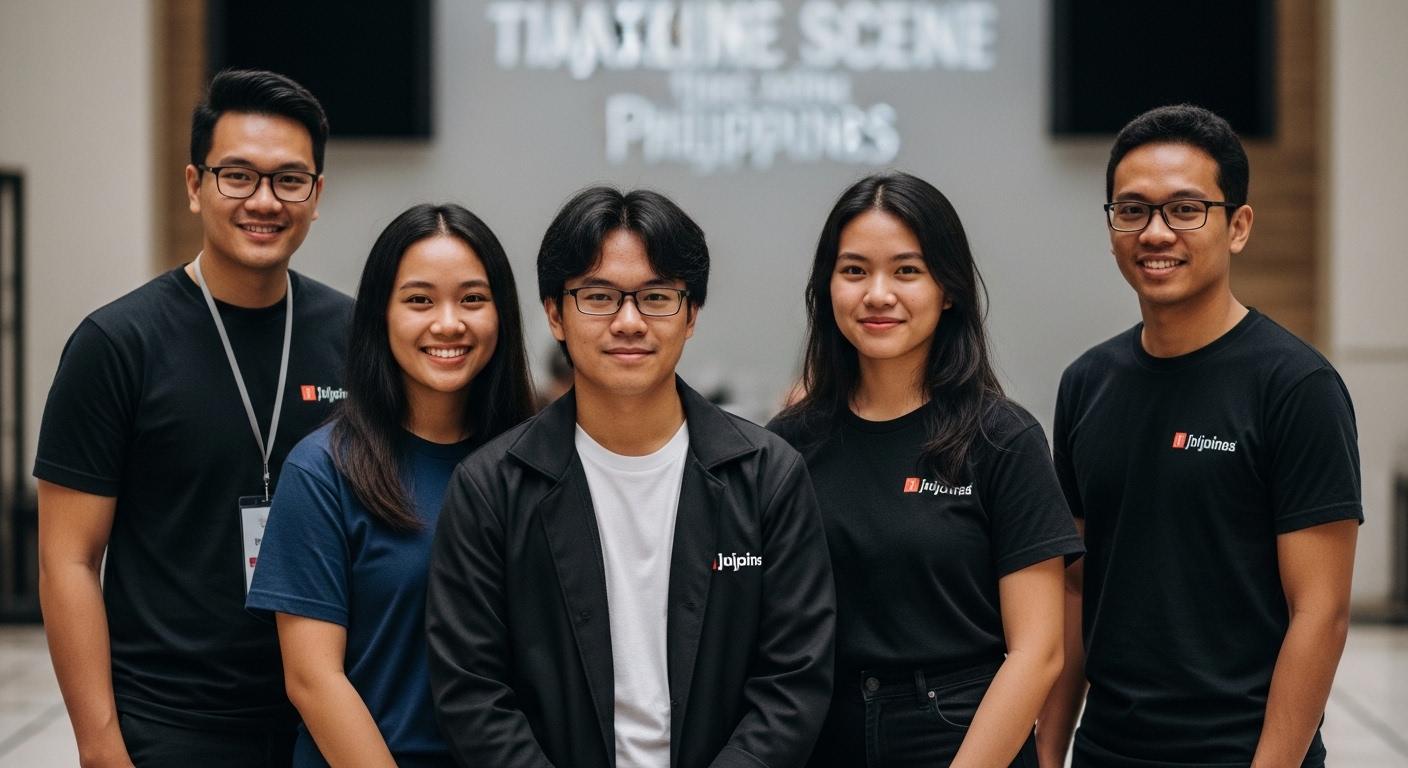
In the Philippines, jujutsu Anime Philippines fans navigate a shifting landscape of streaming platforms, local dubbing options, and fan-driven discourse as new seasons arrive and old favorites re-enter rotation. This deep-dive examines how audiences there respond to the current mix of official releases, community rituals, and the economics of anime distribution that shape what gets watched first, discussed most, and remembered longest. Beyond mere popularity tallies, the piece interrogates how choices by platforms, licensors, and local creators create a feedback loop that sustains a robust but frangible ecosystem for Jujutsu Kaisen and related franchises in the region.
Market dynamics in the Philippines
The Philippines represents a vibrant testing ground for anime licensing, where price sensitivity and data costs influence how audiences access new episodes. Official simulcasts and catalog rotations affect anticipation: when a title lands on a platform at a favorable price or as part of a bundle with mobile data, viewership patterns shift quickly. While large streaming services push daily episodes to stay culturally relevant, small licensors also experiment with regional promotions that seed long-tail fandom around titles like jujutsu anime. For fans in the Philippines, the willingness to subscribe or purchase a one-time rental is often tempered by local budgets, school schedules, and the ubiquity of second-screen participation on social platforms. The result is a nuanced market where a handful of titles can define the conversation across weeks, while the rest circulates through fan subreddits, YouTube analyses, and community watch-alongs.
Industry observers note that the economics of distribution are as important as storytelling quality. When platforms offer Filipino subtitles or dubbing, or when promotions tie in with local telecoms, the audience often responds with increased watch time and word-of-mouth sharing. Conversely, delays in licensing or limited regional availability can push fans toward unofficial streams or fan translations, creating a fragile but persistent ecosystem. In this environment, the Philippines acts not just as a consumer market but as a cultural barometer: the speed at which a series becomes talk-ready in Filipino contexts can determine its staying power across the region.
Localization, accessibility, and consumer behavior
Localization is more than translation: it shapes comprehension, relevance, and emotional resonance. Filipino fans increasingly expect subtitles or dubs in accessible forms, with Tagalog or Filipino-adjacent language options for key lines, punchlines, and fight-scene terminology. The presence of well-timed subtitles reduces cognitive load and increases retention, turning episodic viewing into a social event rather than a solitary activity. As mobile networks proliferate and data costs fall, a larger share of viewers consume anime on smartphones, often in short sessions that fit between classes or work shifts. The result is a demand for data-efficient streams and bite-sized analyses that can be consumed during commutes or breaks, amplifying the importance of concise episode recaps and visual breakdowns within the local community.
Local content creators respond to this demand by producing Filipino-language explainers, character-relationship glossaries, and culturally contextual comparisons. Those efforts help new fans feel included and longtime watchers deepen their understanding of combat choreography and narrative hooks. In practice, the strongest ecosystems emerge where official producers, subtitle teams, and fan communities coordinate to produce consistent, high-quality localized content rather than relying on ad hoc fan translations alone. The effect is a more stable fanbase that is less prone to dispersal when a season lands for a short window on a single platform.
Community ecosystems and discourse
Online and offline communities in the Philippines turn episodes into shared moments that extend beyond the screen. Watch-alongs, live-tweet threads, and long-form analyses create a calendar of communal participation that can outlive a season’s original run. Local fans often curate episode recaps, power rankings, and fight-scene breakdowns that translate complex animation into accessible language for a wider audience. The result is a feedback loop: critical discussions drive engagement, which in turn attracts new fans to the anime, broadening the potential market for licensed releases and merchandise. In this dynamic, the jujutsu anime ecosystem is less about a single hit and more about sustained conversations that keep titles relevant across multiple quarters.
Media literacy within these communities matters too. Fans who decode pacing, power scaling, and character motivations contribute to a more robust discourse that can inform both creators and licensing partners. This is especially evident when regional audiences weigh in on localization choices—tone, humor, and cultural references—where quality opinions can influence how a show travels from streaming to merchandising pipelines in the Philippines. The social texture of discussion, in other words, becomes part of the product’s life cycle, not merely its episodic delivery.
Policy, platforms, and content safety
Platform governance and licensing policies shape what audiences see and when they see it. In the Philippines, as in many markets, issues around age labeling, content warnings, and regional exclusivity influence both the speed and breadth of reach for popular titles. While content creators push for broader access, licensors balance rights, regional sensitivities, and regulatory considerations. The outcome is a careful calibration: licensing windows, subtitle quality standards, and the availability of parental controls all influence whether a title becomes a lasting staple or a fleeting moment in the local fandom.
From a practical standpoint, platforms that invest in robust localization, reliable streaming performance, and clear viewer guidance tend to cultivate more sustainable engagement. Conversely, inconsistent labeling or inconsistent subtitle quality can erode trust, encouraging a drift toward non-official sources or fragmented fan communities. The Philippines thus offers a test case for how explicit consumer protection measures, transparent licensing practices, and user-friendly interfaces converge to strengthen both fandom and the business models that support it.
Actionable Takeaways
- Support official streaming and licensing channels to sustain local language options and long-term access for jujutsu anime in the Philippines.
- Choose platforms with Filipino subtitles or dubs and transparent pricing to maximize value and reduce data waste.
- For fans: contribute to high-quality local explainers, watch-alongs, and recaps that help new viewers join the conversation without resorting to unreliable sources.
- For creators: partner with regional distributors or local studios to improve localization timelines and audience understanding of complex sequences.
- For policymakers and platforms: prioritize accessible labeling, data-friendly playback, and clear guidelines that protect consumers while expanding legitimate access to anime.
Source Context
Notes and source links used to frame this analysis: