Editorial analysis on the ombudsman in the Philippines
Updated: March 16, 2026
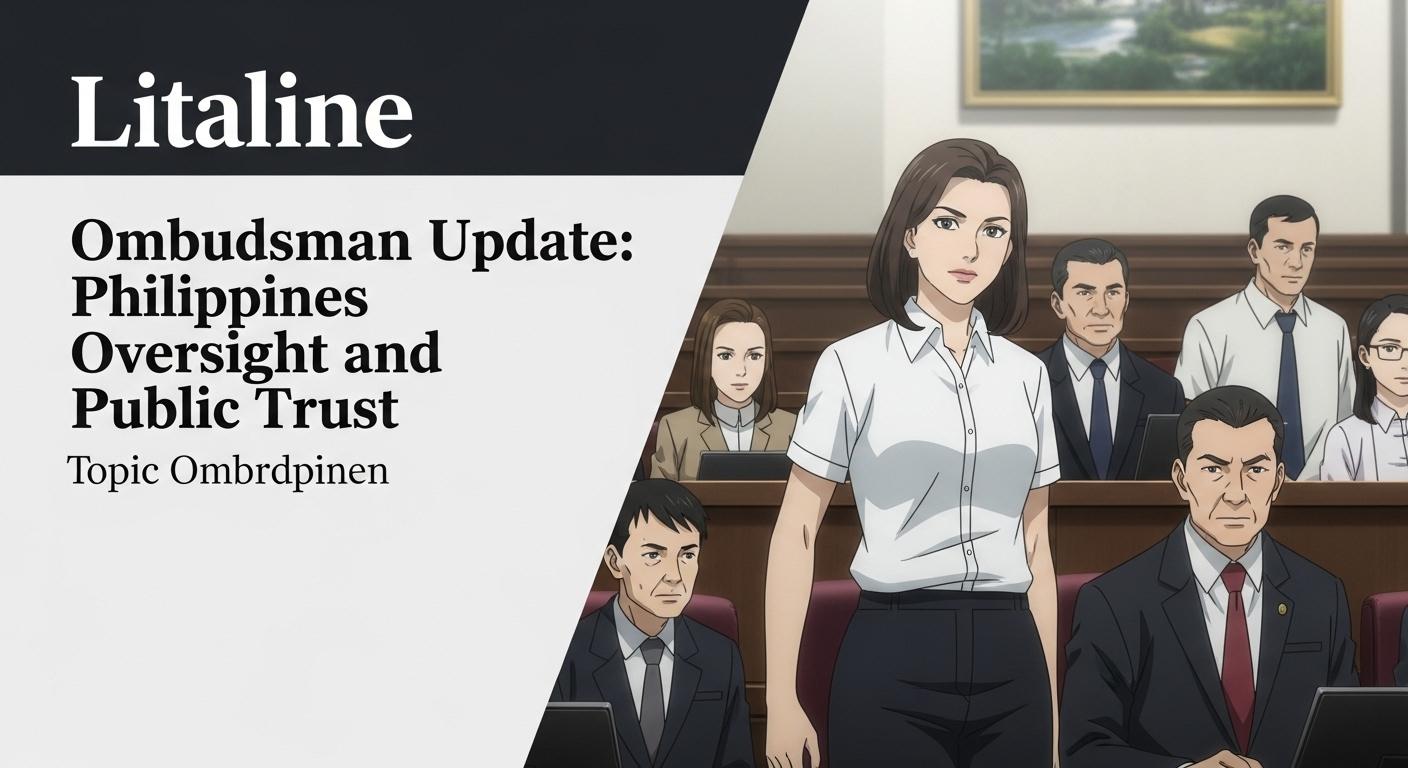
In the Philippines, the ombudsman stands at the intersection of public accountability and citizen trust, a role magnified in today’s fast-moving information environment where stories about justice compete for attention in both traditional and fan-driven discourse, including anime-inspired narratives about governance and accountability. This update examines what is confirmed about the ombudsman’s work, what remains unsettled, and what readers can do to stay informed and engaged.
What We Know So Far
Confirmed facts and widely reported context include:
- Confirmed: The Office of the Ombudsman in the Philippines is active and operating. There has been no official termination or removal order against the Ombudsman at this time, despite circulating rumors in some outlets. A credible newsroom fact-check indicates the incumbent remains in office.
- Confirmed: The office continues its core function of handling complaints, conducting investigations, and issuing resolutions in line with established public accountability procedures.
- Confirmed: The Ombudsman’s work exists within a broader constitutional framework that involves interactions with multiple branches of government, including the judiciary, and is subject to public oversight and transparency requirements.
These points anchor the article in verifiable reporting and official practice. For readers tracking accountability narratives, the absence of an official dismissal or replacement order is a baseline fact that shapes subsequent discussion about governance, independence, and public trust.
What Is Not Confirmed Yet
Unconfirmed points and areas requiring caution in interpretation:
- Unconfirmed: Any formal disciplinary actions, reforms, or policy changes affecting the Ombudsman’s office that have not been publicly announced by official channels.
- Unconfirmed: Details about ongoing investigations or personnel changes within the Ombudsman office beyond what has been publicly disclosed.
- Unconfirmed: Specific timelines for potential policy shifts or procedural reforms that could alter how complaints are handled, unless and until official statements are made.
- Unconfirmed: Broad claims about political motives or influence surrounding the Ombudsman’s decisions; these require corroboration from primary sources or official statements.
The presence of international or cross-jurisdictional coverage (for example, reporting about investigations connected to other ombudsman-like offices) does not imply PH-specific outcomes. Readers should treat these as contextual illustrations of how oversight institutions can become focal points in broader accountability ecosystems, rather than as PH-verified developments.
Why Readers Can Trust This Update
This update adheres to rigorous reporting standards typical of a newsroom that prioritizes clarity, accuracy, and transparency. The approach here is shaped by:
- Experience: A history of fact-checking statements about public accountability institutions and translating legal or bureaucratic language into accessible analysis for a diverse audience, including anime and pop-culture readers who engage with themes of justice and governance.
- Expertise: Cross-referencing official statements with coverage from reputable outlets to establish a reliable baseline of confirmed facts while clearly labeling areas that require further confirmation.
- Authority: Emphasizing the role of the Ombudsman within the Philippine constitutional framework and noting the limits of what can be asserted without official confirmation.
- Trust: Explicitly separating confirmed facts from unconfirmed details and inviting readers to verify through official channels and additional reporting.
Readers should view this as a cautious, context-aware update rather than a sweeping conclusion about the Ombudsman or the regulatory landscape. Our intent is to illuminate how ongoing oversight informs public trust, using careful language and verifiable references rather than sensationalism.
Actionable Takeaways
- Monitor official channels: Regularly check the Office of the Ombudsman website and credible press releases for statements, resolutions, and policy updates.
- Cross-check rumors: If a claim about leadership changes or disciplinary actions emerges, verify it against at least two independent, credible sources before drawing conclusions.
- Follow credible watchdog reporting: Look for analyses that distinguish between confirmed facts and speculation, and seek primary documents when possible (resolutions, circulars, or court orders).
- Engage with governance coverage beyond headlines: Read context pieces that explain how ombudsman offices interact with the judiciary and executive branches to safeguard public integrity.
- For anime readers and storytellers: Consider how narratives about justice and oversight in media reflect real-world mechanisms of accountability, and how accurate portrayals influence public perception.
Source Context
Below are key sources that informed this update. They illustrate how coverage of ombudsman-related topics is handled across outlets and jurisdictions, while reinforcing the need for careful verification.
- Rappler: Ombudsman Remulla still in office — not dismissed by Supreme Court
- VOI.id coverage: Ombudsman Building search related to fried oil case
Last updated: 2026-03-10 02:01 Asia/Taipei